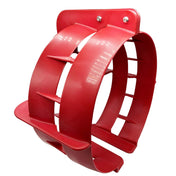
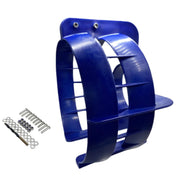
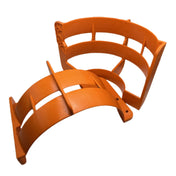
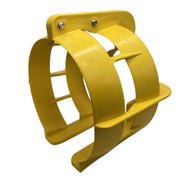
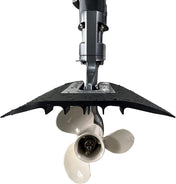
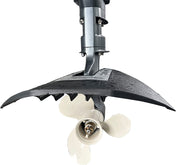
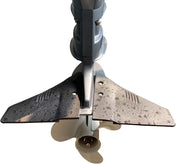
Flexible Hydrofoil Stabilizer for Outboard Motors, 5–150 HP, Bolt-On PA66 Design
Flexible Hydrofoil Stabilizer for Outboard Motors, 5–150 HP, Bolt-On PA66 Design is backordered and will ship as soon as it is back in stock.
Worry-free returns
Worry-free returns
Shop with confidence. If you’re not completely satisfied, eligible items may be returned within the return window, provided they are unused and in original packaging.
If the return is due to our error or a defective item, we’ll make it right.
Please contact us before returning any item.
Delivery and Shipping
Delivery and Shipping
Orders are typically processed within 1–2 business days.
U.S. orders usually arrive within 6–15 days, depending on stock location and destination.
International delivery times may vary due to customs processing.
Tracking information will be provided once your order ships.

Flexible Hydrofoil Stabilizer for Outboard Motors, 5–150 HP, Bolt-O...

Flexible Hydrofoil Stabilizer for Outboard Motors, 5–150 HP, Bolt-On PA66 Design is backordered and will ship as soon as it is back in stock.
Product Details
This flexible hydrofoil stabilizer is intended for use with many outboard motors in the 5–150 HP range. Mounted to the engine's anti-ventilation plate, it can help provide stern lift, reduce bow rise and porpoising, and improve low-speed planing and steering control.
The stabilizer uses a bolt-on installation and is designed to be centered on a suitable anti-ventilation plate. Because plate dimensions, mounting layouts, and engine construction vary, confirm the available mounting area and clearance before ordering.
- Bolt-on installation to the anti-ventilation plate.
- Made from high-strength, UV-resistant PA66 plastic.
- Flexible construction allows the wings to absorb shock independently.
- Suitable for evaluation on compatible 2-stroke and 4-stroke outboard applications within the stated horsepower range.
Compatibility Guidance
This product is described for broad aftermarket use on selected Yamaha, Mercury, Honda, Suzuki, and Tohatsu outboard applications from 5 to 150 HP. Brand coverage alone does not confirm fitment for every model or year. Check the anti-ventilation plate size, mounting footprint, propeller clearance, and local installation requirements before purchase.
| Application | Guidance |
|---|---|
| Engine type | Outboard motor |
| Rated power | 5–150 HP as a general application range |
| Stroke | 2-stroke and 4-stroke applications may be considered where the plate and clearance requirements are met |
| Brands referenced for application review | Yamaha, Mercury, Honda, Suzuki, and Tohatsu |
| Fitment check | Verify the specific engine model, year, anti-ventilation plate dimensions, mounting footprint, and propeller clearance |
Technical Specs
- Product Type
- Flexible hydrofoil stabilizer
- Application
- Compatible outboard motor installations
- Installation
- Bolt-on installation through four mounting holes; supplied hardware is included as listed below
- Connection
- Direct mount to a suitable anti-ventilation plate
- Housing Material
- High-strength PA66 plastic with UV-resistant construction
- Housing Color
- Black
- Weight
- 1.1 kg (2.42 lbs)
- Fitting Type
- Anti-ventilation plate mount
- Other Technical Attributes
- Flexible design allows each foil to flex independently and absorb shock
What's in the Box
- 1 x Hydrofoil stabilizer
- 4 x sets of stainless steel screws and nuts
- 1 x 6.5 mm drill bit
- 1 x installation instruction set
Installation Notes
- Disconnect the battery, switch off the engine, and tilt the engine up securely.
- Position the hydrofoil on the anti-ventilation plate, making sure it is centered, level, and clear of the propeller and other moving parts.
- Mark the four drilling locations through the hydrofoil's mounting holes.
- Carefully drill the marked holes using the included 6.5 mm drill bit, provided that drilling the plate is permitted for your engine and installation.
- Apply a suitable marine-grade sealant around the drilled holes to help limit water ingress and corrosion.
- Align the hydrofoil with the holes and fasten it with the supplied stainless steel screws and nuts.
- Check that all hardware is secure and that steering, tilting, propeller movement, and full engine travel remain unobstructed before testing.
Troubleshooting & FAQ
Will this hydrofoil fit my specific engine model?
Fitment depends on the engine's anti-ventilation plate dimensions, mounting area, plate construction, and available propeller and steering clearance. The general application range is 5–150 HP, but you should verify the exact engine model and physical dimensions before ordering.
What are the main benefits of installing a hydrofoil?
A hydrofoil can provide additional stern lift, help a boat get on plane, reduce bow rise and porpoising, and improve stability and steering control. Results vary with the hull, load, engine setup, trim position, and operating conditions.
Is drilling into the anti-ventilation plate safe?
Drilling may be used for some hydrofoil installations, but the procedure must be compatible with the engine manufacturer's instructions and the plate's construction. Use appropriate tools, seal the holes against water intrusion, and consult a qualified marine technician if you are unsure.
How do I know if the hydrofoil is positioned correctly?
The hydrofoil should be centered and securely mounted on the anti-ventilation plate without interfering with the propeller, steering, engine tilt, or other moving parts. Recheck all clearances before launching the boat.
Will the flexible design break under pressure?
The flexible construction is intended to allow each wing to flex independently and absorb shock. Inspect the hydrofoil and mounting hardware regularly for cracks, distortion, looseness, or other damage, especially after contact with an obstacle.
Is this an OEM component?
No. This is an aftermarket hydrofoil stabilizer. It should be selected based on the actual dimensions and installation requirements of the engine rather than brand or horsepower alone.
What maintenance is required?
Before each use, inspect the hydrofoil, mounting holes, screws, nuts, and anti-ventilation plate. Tighten or replace hardware when necessary, and do not operate the boat with a cracked, loose, or damaged stabilizer.
Safety & Important Information
- Verify the specific engine model, year, plate dimensions, mounting footprint, and clearance before purchase.
- Do not install the stabilizer if it interferes with the propeller, steering, engine tilt, or any moving component.
- Follow the engine and boat manufacturer's instructions when drilling or modifying the anti-ventilation plate.
- Use appropriate marine sealant and corrosion-resistant hardware for the installation environment.
- Professional installation is recommended when the correct mounting method or engine compatibility is uncertain.
- This is an aftermarket replacement accessory, not an OEM component.
About Sea Sierra
- Marine-Focused Products — We provide replacement and accessory parts for practical marine maintenance and installation needs.
- Application Guidance — Product selection should be based on verified dimensions, operating conditions, and engine compatibility.
- Installation Support — Review the product details and installation requirements before beginning work on your boat or engine.
Payment & Security
Payment methods
Your payment information is processed securely. We do not store credit card details nor have access to your credit card information.