AI's Transformative Impact on the Future of Work: Opportunities and Challenges
(1 products)This page helps outboard owners find compatible parts and service information. Inside you’ll find maintenance tips, common replacement parts, and troubleshooting guidance. You can also browse our main brand collections, including Yamaha, Mercury/MerCruiser, Suzuki, Honda, Johnson/Evinrude, Volvo Penta, and more. Scroll to the bottom to start browsing parts, and on each collection page use the “Filter & Sort” controls to narrow results by horsepower, year range, and part category.
Browse Service & Maintenance KitsHow to Identify Your Model
- Locate the nameplate/serial plate on the transom bracket or swivel bracket. It typically lists model code, serial number, and sometimes year or market code.
- Decode the model suffix: common letters indicate shaft length (S/L/XL), control type (tiller vs. remote), and starting/charging options.
- Differentiate 2‑Stroke vs. 4‑Stroke: 4‑Strokes have an engine oil fill and oil filter; 2‑Strokes either require premix fuel or use an oil injection tank and lines.
- Measure shaft length from the transom bracket to the anti‑ventilation plate to confirm S/L/XL fit with your hull.
Engine Platform Overview
2‑Stroke Outboards
| Feature | Description |
|---|---|
| Configuration | Carbureted or oil‑injected 2‑stroke, typically inline 2–6 cylinders depending on horsepower. |
| Common Models | Small twin/triple (portable class) up to mid/large inline and V‑series 2‑Strokes. |
| Advantages | Light weight, strong hole‑shot, simple maintenance. |
| Notes | Follow correct fuel/oil specification. Inspect oil injection tanks, lines, and filters regularly if equipped. |
4‑Stroke Outboards
| Feature | Description |
|---|---|
| Configuration | SOHC/DOHC 4‑stroke with carburetion or EFI; typically inline twins, triples, and inline‑4, with larger V6 on some models. |
| Common Models | Portable 4‑Strokes to mid/large EFI platforms used for recreation and commercial duty. |
| Advantages | Clean emissions, fuel efficiency, broad torque band, quieter operation. |
| Notes | Observe oil/filter intervals and cooling system service to maintain reliability. |
Routine Maintenance & Service Parts
Intervals below are general guidelines; always follow your official service manual and local operating conditions.
| Item | Interval* | Remarks | Parts Link |
|---|---|---|---|
| Engine oil + filter (4‑Stroke) | 100 hours or annually | Use marine‑rated oil meeting OEM spec; replace crush washer if required. | Oil Filters |
| Gear oil (lower unit) | 100 hours or annually | Replace gaskets; inspect for metal or water intrusion. | Lower Unit Seal Kits |
| Spark plugs | 100 hours or annually | Verify correct heat range and gap; replace if fouled or worn. | Spark Plugs |
| Fuel filter / water‑separating filter | 100 hours or annually | Drain/replace more often with poor fuel quality or storage. | Fuel Filters |
| Water pump impeller / kit | 200 hours or every 2 years | Inspect annually; replace sooner for sand/silt use or weak tell‑tale. | Water Pump Impeller Rebuild Kits |
| Anodes (sacrificial) | Inspect every 50–100 hours | Choose alloy for your water (zinc/aluminum/magnesium) and replace when 50% consumed. | Anodes |
| Oil injection system (2‑Stroke) | Inspect each season | Check tank, screens, and hoses; verify accurate pump calibration. Premix models: use ratio per manual. | Hoses |
Frequently Used Parts Categories
- Routine Service: Service & Maintenance Kits
- Cooling System: Water Pumps and Impellers
- Fuel System: Fuel Filters and Fuel Pumps
- Ignition / Electrical: Spark Plugs, Starters, Ignition Switches
- Corrosion Protection: Anodes
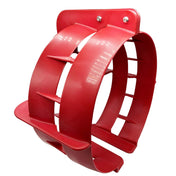
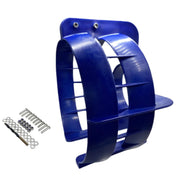
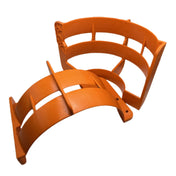
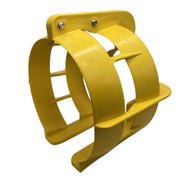
- Propulsion: Propellers and Propeller Guards
- Sealing & Gasketing: Gaskets and Oil Seals
Common Symptoms & Quick Checks
| Symptom | Check First | Related Parts |
|---|---|---|
| Weak tell‑tale or overheat alarm | Inspect intake screens for blockage; verify water pump impeller and thermostat condition. | Water pump kit, impeller, thermostat, intake screen, anodes. |
| Poor acceleration or power loss | Check propeller for damage/cavitation; replace fuel filter; verify spark plug condition. | Propellers, fuel filters, spark plugs, fuel pump. |
| Hard starting / rough idle | Prime fuel system and check for air leaks; confirm plug gap; inspect idle circuit or EFI system. | Fuel lines/hoses, fuel pump, spark plugs, gaskets. |
| Excessive smoke (2‑Stroke) | Verify oil ratio or injection calibration; ensure choke/enrichment isn’t stuck; confirm thermostat operation. | Spark plugs, hoses, thermostat. |
| Gearcase noise or metal in gear oil | Drain and inspect gear lube; check for water intrusion; pressure/vacuum test seals. | Lower unit seal kit, bearings, gaskets. |
FAQs
Are parts interchangeable between different years or platforms?
Some service parts carry across year ranges and platforms, but many items are model‑specific. Always confirm by model code, serial number, and shaft length before ordering.
When should the impeller be replaced?
As a rule of thumb, replace every 200 hours or 2 seasons—sooner if running in sand, silt, or if the tell‑tale is weak or intermittent.
How often should gear oil be changed?
Change at least annually or every 100 hours. Inspect for milkiness (water) or metal on the drain plug magnet; address any seal issues promptly.
What information do you need to confirm part compatibility?
Please provide brand, model code, serial number, horsepower, shaft length (S/L/XL), and whether the engine is 2‑Stroke or 4‑Stroke. Photos of the nameplate and the required part also help.
Ready to find the right parts? Browse our brand collections by horsepower, year, and model to narrow down compatible items quickly.
Shop Popular Marine PartsIf you’re unsure about your model, send us a photo of the nameplate and the part you need and we’ll help verify compatibility.
- Most relevant
- Best selling
- Alphabetically, A-Z
- Alphabetically, Z-A
- Price, low to high
- Price, high to low
- Date, old to new
- Date, new to old

SeaSierra
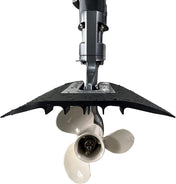
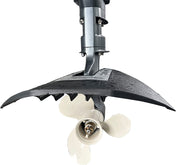
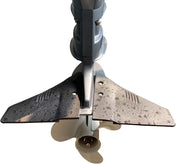
Hydrofoil Stabilizer for Outboard Motors, 5–150 HP – Aftermarket Replacement for FO2001 and HS001
Regular price $26.99Unit price