Inquire About Engine Type: Outboard, Inboard, or Sterndrive
(1 products)This page helps boat owners determine whether their vessel uses an outboard, inboard, or sterndrive engine and find compatible parts and service information. Inside you’ll find maintenance tips, common replacement parts, and troubleshooting guidance. You can also browse brand collections for popular systems, and at the bottom of this page you’ll find quick links to start browsing parts. On each collection, use the Filter & Sort controls to narrow results by horsepower, year range, and part category.
How to Identify Your Engine Model
- Locate the serial/model plate:
- Outboards: usually on the transom bracket (starboard side) and stamped on the cylinder block or a freeze plug.
- Sterndrives: one tag on the transom assembly/drive unit; the engine long block has a separate serial plate.
- Inboards: plate is typically on a rocker cover, timing cover, or the starboard side of the block.
- Decode the model suffix: letters often indicate shaft length, control type (tiller/remote), starting method, and sometimes the model year or revision.
- Distinguish 2‑Stroke vs 4‑Stroke outboards: 2‑strokes may use an oil injection tank or pre-mix; 4‑strokes have a crankcase with an engine oil dipstick and spin‑on oil filter.
- Note the platform: small to mid‑hp outboards are commonly inline 2‑ or 3‑cyl; larger power can be inline‑4 or V6. Sterndrive and inboard packages vary from small inline‑4s to V6/V8 gas and inline/V diesel.
Engine Type Overview
Outboard Engines
| Feature | Description |
|---|---|
| Configuration | Self-contained powerhead on the transom; common layouts include inline-2/3 (small–mid hp), inline-4, and V6. Offered as 2‑Stroke or 4‑Stroke depending on model and year. |
| Common Models | Examples include popular Yamaha/Mercury mid‑range 2‑ and 4‑strokes, plus modern EFI 4‑stroke families across 2.5–600 HP. |
| Advantages | Excellent serviceability and cockpit space; easy repower; strong adoption on aluminum boats and larger fiberglass fishing/cruiser platforms. |
| Notes | Maintain the gearcase with regular oil changes; inspect anodes; renew the water pump impeller routinely for reliable cooling. |
Shop outboard parts by brand: Yamaha Outboard Parts · Mercury Outboard Parts · Suzuki Outboard Parts · Honda Outboard Parts · Johnson/Evinrude Outboard Parts · Tohatsu Outboard Parts
Sterndrive Engines
| Feature | Description |
|---|---|
| Configuration | Inboard engine mated to a steerable outdrive on the transom (I/O). Popular gas V6/V8 packages with trimmable drives and full-beam swim platforms. |
| Common Models | MerCruiser and Volvo Penta sterndrive families across multiple displacements and gearcases. |
| Advantages | Versatile handling and clean transom aesthetic for family cruising, towing, and multi‑purpose boating. |
| Notes | Seasonal maintenance is key—inspect/replace bellows, service the gimbal bearing and U‑joints, change gear oil, and monitor corrosion protection. |
Shop sterndrive parts: MerCruiser · Volvo Penta Parts
Inboard Engines
| Feature | Description |
|---|---|
| Configuration | Engine mounted inside the hull driving a propshaft and rudder. Gasoline V‑blocks and marine diesels are common for tow sports and cruising. |
| Common Models | Well‑known options include Volvo Penta gas/diesel, Yanmar diesel, and other specialist inboard packages. |
| Advantages | Smooth power delivery and strong, consistent thrust—favored where wake shaping and purpose‑built performance are priorities. |
| Notes | Stay current on raw‑water pump impellers, heat‑exchanger service, and anodes; follow the engine maker’s oil, filter, and valve lash schedules. |
Shop inboard parts: Volvo Penta Parts · Yanmar · Crusader Service & Maintenance Kits
Routine Maintenance & Service Parts
Intervals below are general guidelines for typical use. Always confirm the exact schedule in your engine’s official service manual and adjust for duty cycle and environment (salt, silt, storage).
| Item | Interval* | Remarks | Parts Link |
|---|---|---|---|
| Engine oil + filter (4‑stroke/outboard, inboard, sterndrive) | 100 hours or annually | Warm engine before draining; replace crush washer/seal as required. | Oil Filters |
| Gear oil (lower unit / drive) | 100 hours or annually | Inspect for water intrusion and metal; replace seals if contamination is present. | Lower Unit Seal Kits |
| Spark plugs | Inspect 100 hours; replace as needed | Check gap and heat range per model; look for fouling or salt corrosion. | Spark plug |
| Fuel filter / water separator | 100 hours or annually | Shorten interval for ethanol fuel or contaminated supply; prime system after service. | Fuel Filters |
| Water pump impeller / kit | 2 seasons or 200 hours (inspect annually) | Essential for cooling on all raw‑water‑cooled engines and drives. | Water Pump Impeller Rebuild Kits |
| Anodes (sacrificial) | Inspect often; replace at ~50% loss | Choose alloy for your water (aluminum for mixed/salt, magnesium for fresh, zinc for traditional saltwater). | Anodes |
| Bellows (sterndrive) | Every 2–3 years or at first cracks | Inspect exhaust, U‑joint, and shift bellows; replace clamps and grease splines. | Bellow |
| 2‑Stroke oil injection service | Annually | Check strainer, hoses, and pump calibration; bleed system per manual. | Hoses |
Frequently Used Parts Categories
- Routine Service – Service & Maintenance Kits
- Cooling System – Water pumps
- Gearcase & Seals – Lower Unit Seal Kits
- Propulsion – Propellers
- Ignition / Electrical – Electrical Items
- Fuel System – Fuel Filters
- Corrosion Protection – Anodes
Common Symptoms & Quick Checks
| Symptom | Check First | Related Parts |
|---|---|---|
| Weak tell‑tale stream or overheat alarm | Inspect intake screens for debris, verify water pump condition, confirm thermostat operation. | Water pump kit, intake screen, thermostat, anodes (if blockage from corrosion). |
| Poor acceleration / power loss | Check prop condition and pitch, fuel quality, and filters; verify spark and compression. | Propeller, fuel filter, spark plugs, coils/wires, injector or carb service items. |
| Hard starting / rough idle | Confirm battery voltage and connections, inspect plugs, and look for air leaks in fuel lines. | Spark plugs, fuel hoses/clamps, primer bulb, starter, rectifier/regulator. |
| Excessive smoke (2‑Stroke) | Verify oil ratio or injection system; check for stuck thermostat causing cold running. | Oil injection hoses/filters, thermostat, spark plugs. |
| Gearcase noise or metal in gear oil | Inspect drain/vent plugs, magnet debris, and seals; check prop shaft for fishing line. | Lower unit seal kit, shims/bearings, gear oil, prop hub kit. |
FAQs
Are parts interchangeable between different years or platforms?
Some service items (anodes, plugs, filters) cross between year ranges, but many components are platform‑specific. Always verify by serial/model code and engine type (outboard, inboard, sterndrive) before ordering.
When should the impeller be replaced?
Inspect annually and replace about every 2 seasons or 200 hours, sooner for sandy/silty use or weak tell‑tale flow. Full water pump kits are recommended if housing wear is present.
How often should gear oil be changed?
At least every 100 hours or annually. Check sooner after an impact or if water is suspected. Milky oil indicates seal issues and calls for a seal kit and inspection.
What information helps confirm part compatibility?
Provide the serial/model code, engine type, horsepower, approximate year, shaft length or drive ratio, and clear photos of the nameplate and the part needing replacement.
Ready to find parts by brand and engine type? Start with these popular collections and use Filter & Sort to select horsepower, year, and model:
Yamaha · MerCruiser · Volvo Penta · Suzuki · Johnson/Evinrude · Yanmar
Shop Service & Maintenance Kits
If you’re unsure about your model, send us a photo of the nameplate and the part you need and we’ll help verify compatibility.
- Most relevant
- Best selling
- Alphabetically, A-Z
- Alphabetically, Z-A
- Price, low to high
- Price, high to low
- Date, old to new
- Date, new to old

SeaSierra
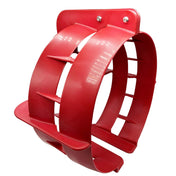
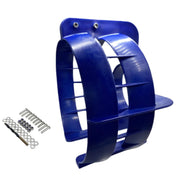
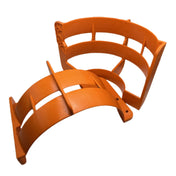
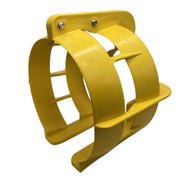
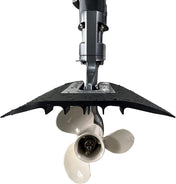
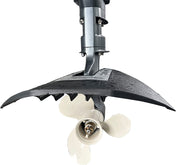
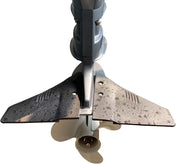
Hydrofoil Stabilizer for Outboard Motors, 5–150 HP – Aftermarket Replacement for FO2001 and HS001
Regular price $26.99Unit price