JLM Marine Engine Parts
(1 products)This page highlights JLM Marine outboard engine parts and service info to help you identify compatible components, plan routine maintenance, and troubleshoot common issues. You can also browse our broader brand collections, and at the bottom of this page you’ll find a quick way to start browsing parts. On the collection pages, use the Filter & Sort controls to narrow by horsepower, year range, and part category.
How to Identify Your Outboard Model
- Locate the nameplate/serial plate on the transom bracket or swivel bracket. Record the full model code and serial number.
- Decode the suffixes: shaft length (S/L/XL), control type (tiller/remote), and year or revision letters. This helps confirm parts compatibility.
- Confirm stroke type: 2-stroke models use premix or oil-injection; 4-stroke models have an engine oil sump and oil filter.
- Note cylinder configuration: small 2-strokes are often inline twin or inline-3; many midrange 4-strokes are inline-3 or inline-4. This can affect gaskets, ignition, and cooling parts.
Platform Overview
Small 2‑Stroke Outboards (Portable to Midrange)
| Feature | Description |
|---|---|
| Configuration | Inline twin or inline‑3 carbureted 2‑stroke with oil‑injection or premix fuel. |
| Common Models | Portable and midrange 2‑stroke outboards used for dinghies, fishing boats, and utility craft. |
| Advantages | Light weight, simple maintenance, strong holeshot for their size. |
| Notes | Pay attention to carburetor and ignition calibration by model code. Water pump service is critical to avoid overheating. |
Midrange 4‑Stroke Outboards
| Feature | Description |
|---|---|
| Configuration | Inline‑3 or inline‑4 4‑stroke, carbureted or EFI, with separate engine oil and filter. |
| Common Models | General‑purpose 4‑stroke outboards for bay boats, pontoons, and runabouts. |
| Advantages | Lower emissions, good fuel economy, broad torque for cruising. |
| Notes | Match service parts by model code and year. Oil, filter, and anode maintenance protect longevity. |
Routine Maintenance & Service Parts
Intervals below are general guidelines for typical recreational use. Always follow your engine’s official service manual for exact procedures and schedules.
| Item | Interval* | Remarks | Parts Link |
|---|---|---|---|
| Engine oil + filter (4‑stroke) | Initial 20 hrs, then every 100 hrs or annually | 4‑stroke only. Warm engine before draining; replace crush washer where applicable. | Shop Oil Filters |
| Gear oil (lower unit) | Every 100 hrs or annually; inspect after impacts | Check for water intrusion (milky oil). Replace seals if contamination is found. | Lower Unit Seal Kits |
| Spark plugs | Inspect every 100 hrs; replace 200 hrs or as needed | Gap and heat range must match the model code; replace fouled or worn plugs. | Spark Plugs |
| Fuel filter / water separator | Every 100 hrs or annually | Replace sooner if fuel is contaminated or performance degrades. | Fuel Filters |
| Water pump impeller / kit | Every 2 seasons (freshwater) or annually (salt/silty use) | Critical cooling component; replace more often if stream weakens or overheat alarms occur. | Water Pump Kits |
| Anodes (sacrificial) | Inspect every service; replace when 50% consumed | Use zinc (salt), aluminum (brackish/salt), or magnesium (fresh) as appropriate. | Anodes |
| 2‑Stroke oil injection / premix | Check every 100 hrs; verify pump output and hose integrity | For oil‑injected models, inspect hoses and pump function. For premix, use the manufacturer’s specified ratio. | Oil/Fuel Hoses |
Frequently Used Parts Categories
- Routine Service: Service & Maintenance Kits
- Cooling System: Water Pump Impeller Rebuild Kits
- Fuel System: Fuel Filters and Fuel Pumps
- Ignition / Electrical: Electrical Items and Starters
- Corrosion Protection: Anodes
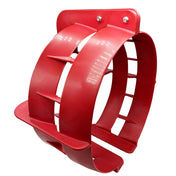
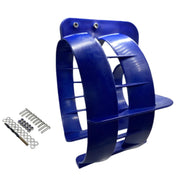
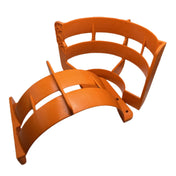
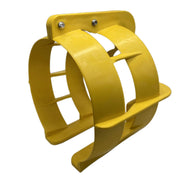
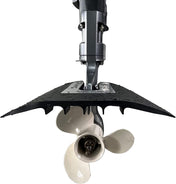
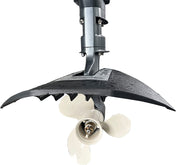
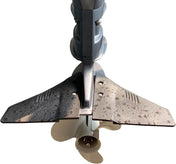
- Propulsion: Propellers and Propeller Guards
- Lower Unit / Drivetrain: Lower Unit Seal Kits
Common Symptoms & Quick Checks
| Symptom | Check First | Related Parts |
|---|---|---|
| Weak telltale stream or overheat alarm | Inspect intake screens, thermostat, and impeller; look for sand/shell debris. | Water pump kit, thermostat, intake screen, anodes |
| Poor acceleration or power loss | Check fuel quality, primer bulb, filters, and spark plugs; inspect prop for damage or over‑pitch. | Fuel filter, fuel pump, spark plugs, propeller |
| Hard starting or rough idle | Verify choke/enrichment, air leaks in fuel lines, carburetor cleanliness or EFI sensor health. | Fuel hoses, carburetor kit, spark plugs, sensors |
| Excessive smoke (2‑stroke) | Confirm oil ratio or oil‑injection calibration; check for stuck thermostat causing cold‑running. | Oil lines, spark plugs, thermostat |
| Gearcase noise or metal in gear oil | Inspect prop shaft for fishing line, check seals, and perform gear oil change with magnet inspection. | Lower unit seal kit, shims/bearings, water pump kit |
FAQs
Are parts interchangeable between different years or platforms?
Sometimes. Many fasteners and service items carry over, but ignition, carb/EFI components, and cooling parts often change by year, model code, and platform. Always match parts to the full model and serial number.
When should the impeller be replaced?
As a rule, replace the impeller annually in salt/silty conditions or every two seasons in clean freshwater. Replace immediately if the telltale weakens, the engine overheats, or sand ingestion is suspected.
How often should gear oil be changed?
Change lower unit gear oil every 100 hours or once per year. Inspect for milky color or metal on the drain plug magnet; either indicates the need for seal or gear inspection.
What information do you need to confirm part compatibility?
Provide the full model code, serial number, stroke type (2‑stroke or 4‑stroke), shaft length, and control type. Photos of the nameplate and the part you’re replacing help ensure a precise match.
Ready to shop? Browse parts by category and refine by horsepower, year, and model using the Filter & Sort tools.
Shop Service & Maintenance Kits
If you’re unsure about your model, send us a clear photo of the nameplate and the part needed and we’ll help verify compatibility.
- Most relevant
- Best selling
- Alphabetically, A-Z
- Alphabetically, Z-A
- Price, low to high
- Price, high to low
- Date, old to new
- Date, new to old

SeaSierra
Regular price $19.88Unit price