OMC 2-Stroke Marine Engine Parts
(11 products)
This page is for OMC 2‑Stroke outboard engines. Use it to find compatible parts and service information, including maintenance tips, common replacement parts, and troubleshooting guidance. You can also browse our main OMC (Johnson/Evinrude) collection for a wider selection. Scroll to the bottom of this page to start browsing parts for your engine. On the collection page, use the Filter & Sort controls to narrow results by horsepower, year range, and part category/section.
Browse All OMC Parts
How to Identify Your OMC 2‑Stroke Model
- Nameplate location: Look on the transom clamp bracket or swivel bracket for the model/serial plate. On some models, a secondary sticker is inside the engine cowling.
- Reading the model code: OMC codes typically include brand prefix (J = Johnson, E = Evinrude), horsepower, shaft length letter, and a year identifier. The suffix can indicate features like electric start or trim/tilt.
- Platform clues: Small engines are often 2‑cylinder; mid‑range are inline‑3; higher outputs are V4 or V6 2‑strokes. Cowling shape, number of carburetors/throttle bodies, and number of spark plugs are quick indicators.
- Oil system: Identify whether your engine uses VRO/oil injection or requires premix; this affects fuel/oil handling and some service parts.
Routine Maintenance & Service Parts
Intervals below are general guidelines. Always follow the procedures and schedules in your official service manual for your exact model and operating conditions.
| Item |
Interval* |
Remarks |
Parts Link |
| Gear oil (lower unit) |
Every 100 hours or annually |
Use marine GL‑5 per manual; check for water intrusion (milky oil). Replace seals if contaminated. |
Service & Maintenance Kits |
| Spark plugs |
Inspect every 50 hours; replace ~100 hours or annually |
Match heat range and gap to your model code and manual. |
Spark Plugs |
| Fuel filter / inline filter |
Every 100 hours or annually; sooner with stale/contaminated fuel |
Replace filter element; inspect fuel lines for softening or cracks. |
Fuel Filters |
| Water pump impeller / kit |
Every 2 seasons or 200 hours (inspect annually) |
Critical for cooling; replace sooner if weak tell‑tale or overheat warnings occur. |
Johnson/Evinrude/OMC Water Pump Repair Kits |
| Anodes |
Inspect every 50 hours; replace when 50% depleted |
Use the correct anode type for salt/brackish/fresh water. Ensure solid electrical contact. |
Johnson/Evinrude/OMC Anodes |
| Oil injection (VRO) inspection or premix verification |
Every season |
VRO: inspect hoses, filters, alarms, and pump output. Premix: confirm correct ratio (commonly 50:1 unless specified otherwise). |
Johnson/Evinrude/OMC Hoses |
| Thermostat |
Inspect annually; replace every 2–3 seasons |
Sticky thermostat can cause overheat at idle or cold running at cruise. |
Johnson/Evinrude/OMC Outboard Parts |
| Propeller & hardware inspection |
Every 50 hours; remove prop seasonally |
Check for dings, hub wear, and fishing line around the prop shaft. Grease splines. |
Johnson/Evinrude/OMC Propellers |
Frequently Used Parts Categories
Common Symptoms & Quick Checks
| Symptom |
Check First |
Related Parts |
| Weak tell‑tale stream or overheat alarm |
Inspect water intake screens for debris; verify impeller condition; confirm thermostat operation. |
Water pump kit, impeller, intake screen, thermostat, gaskets |
| Poor acceleration or power loss |
Check fuel filter and lines; inspect spark plugs; verify throttle linkage and timing advance. |
Fuel filter, fuel lines/hoses, spark plugs, carburetor kit |
| Hard starting or rough idle |
Verify choke/enrichment operation; look for air leaks in fuel system; check plug gap and condition. |
Spark plugs, fuel primer bulb/lines, carburetor gasket set |
| Excessive smoke (2‑Stroke) |
Confirm correct premix ratio or VRO function; check thermostat (cold running increases smoke). |
Oil injection hoses, fuel/oil lines, thermostat |
| Gearcase noise or metal in gear oil |
Inspect for fishing line on prop shaft; drain oil and check for glitter; pressure test gearcase. |
Lower unit seal kit, prop shaft seals, gear oil, drain/fill plug gaskets |
FAQs
Are parts interchangeable between different years or platforms?
Some parts are shared across families, but many items differ between small twin, inline‑3, V4, and V6 platforms, and between cross‑flow vs loop‑charged engines. Always verify using your full model/serial and year code.
When should the impeller be replaced?
Inspect annually and replace about every 2 seasons or 200 hours. Replace immediately if the tell‑tale is weak, the engine overheats, or the impeller shows wear or set.
How often should I change lower unit gear oil?
At least every 100 hours or once per season. If water or metal is present, service the gearcase and seals before returning to service.
What information helps confirm part compatibility?
Provide the model and serial numbers, shaft length, starting/controls (manual/electric, tiller/remote), oil system (VRO vs premix), and any noted year code or suffix from the nameplate.
Ready to find parts for your OMC 2‑Stroke? Browse the main collection by horsepower, year, and model.
Shop Johnson/Evinrude/OMC Parts
If you’re unsure about your model, send us a photo of the nameplate and the part you need and we’ll help verify compatibility.


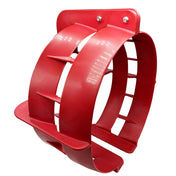
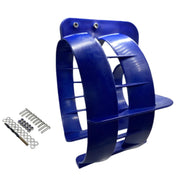
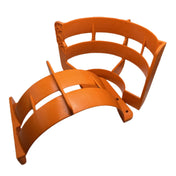
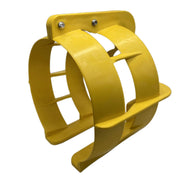
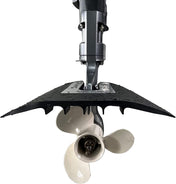 Regular price $65.00Unit price
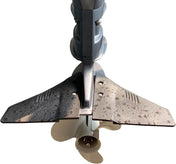 Regular price $35.00Unit price
