Union Brass Marine Engine Parts
(0 products)This page is for Union Brass outboard engines and helps you find compatible parts and service information. Below you’ll find maintenance tips, common replacement parts, and troubleshooting guidance. You can also browse our main Union Brass collection for a wider range of service items. Scroll to the bottom when you’re ready to start browsing parts for this engine. On the collection page, use the Filter & Sort controls to narrow results by horsepower, year range, and part category/section.
How to Identify Your Model
- Nameplate or serial tag: Typically located on the transom bracket or swivel bracket. Record the complete model code and serial number.
- Model code details: The suffix often indicates shaft length (S/L/XL), steering/control type (tiller vs. remote), and production year or revision.
- Stroke type: 2‑Stroke models usually specify premix/oil‑injection and have carburetors; 4‑Stroke models list oil capacity and often reference EFI.
- Visual cues: Inline small-block outboards typically have a single exhaust outlet and compact gearcase; larger four‑strokes may show bulkier powerheads and intake plenums.
Platform Overview
2‑Stroke Inline Platform (carbureted)
| Feature | Description |
|---|---|
| Configuration | Inline 2–3 cylinder, carbureted 2‑Stroke with premix or oil‑injection |
| Common Models | Typical small to mid‑hp 2‑Stroke outboards (tiller and remote variants) |
| Advantages | Light weight, quick throttle response, simple service routine |
| Notes | Verify spark plug heat range and carb jetting by model code; renew impeller annually in sandy or silty waters |
4‑Stroke Inline Platform (EFI or carb)
| Feature | Description |
|---|---|
| Configuration | Inline 3–4 cylinder 4‑Stroke with EFI or carburetor, wet‑sump lubrication |
| Common Models | General 4‑Stroke outboards in the small to mid‑hp range |
| Advantages | Lower fuel consumption, quieter operation, broader torque band |
| Notes | Follow engine‑oil and filter intervals closely; confirm anode style for your water type (fresh vs. salt) |
Routine Maintenance & Service Parts
Intervals below are general guidelines; always follow the official service manual for your specific model and operating environment.
| Item | Interval* | Remarks | Parts Link |
|---|---|---|---|
| Engine oil + filter (4‑Stroke) | First 20 hours, then every 100 hours or annually | Warm engine before draining; replace crush washer if applicable | Oil Filters |
| Gear oil (lower unit) | Every 100 hours or annually | Inspect for water intrusion/metal; renew seals if contamination is found | Lower Unit Seal Kits |
| Spark plugs | 100 hours or annually; check gap at every service | Use the specified heat range and gap; replace if fouled or worn | Spark plug |
| Fuel filter / water separator | 100 hours or annually | Drain or replace more often in areas with poor fuel quality | Fuel Filters |
| Water pump impeller / kit | Every 2 seasons (annually in sandy/silty use) | Loss of tell‑tale stream or overheat alarms indicate service is due | Water Pump Impeller Rebuild Kits |
| Anodes (zinc/aluminum/magnesium) | Inspect every service; replace when 50% eroded | Match alloy to water type: salt (zinc), brackish (aluminum), fresh (magnesium) | Anodes |
| 2‑Stroke oil supply (if oil‑injected) | Check every outing | Verify reservoir level and lines; use TC‑W3‑approved oil | Service & Maintenance Kits |
Frequently Used Parts Categories
- Routine Service: Service & Maintenance Kits
- Cooling System: Water pumps
- Fuel System: Fuel Filters
- Ignition / Electrical: Electrical Items
- Gearcase & Seals: Lower Unit Seal Kits
- Corrosion Protection: Anodes
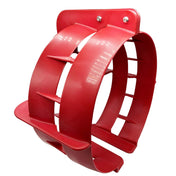
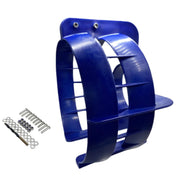
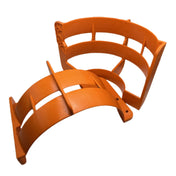
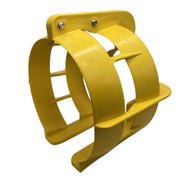
- Handling & Protection: Propeller Guards
Common Symptoms & Quick Checks
| Symptom | Check First | Related Parts |
|---|---|---|
| Weak tell‑tale or overheat alarm | Inspect intake screens for blockage; verify impeller age and housing condition | Water pump kit, thermostat, intake screen |
| Poor acceleration / power loss | Replace fuel filter; check for fouled plugs; confirm throttle linkage and timing | Fuel filter, spark plugs, fuel pump, ignition components |
| Hard starting / rough idle | Check primer bulb and lines; verify idle speed; inspect plugs for fouling | Spark plugs, fuel line/primer bulb, carb/EFI service parts |
| Excessive smoke (2‑Stroke) | Confirm correct premix ratio or oil‑injection function; inspect reeds and choke | 2‑Stroke oil, choke components, reed/intake gaskets |
| Gearcase noise / metal in oil | Drain gear oil and inspect; pressure/vacuum test lower unit | Lower unit seal kit, bearings, shims |
FAQs
Are parts interchangeable between different years or platforms?
Some service parts interchange across close year ranges, but model codes and platform changes (2‑Stroke vs. 4‑Stroke, carb vs. EFI) can affect compatibility. Always verify by full model/serial details.
When should the impeller be replaced?
Inspect annually and replace every 2 seasons under normal use. In sandy, silty, or high‑temperature operation, replacement every season is recommended.
How often should I change gear oil?
Every 100 hours or at least once per year. If you find milky oil (water intrusion) or metal flakes, service the seals and inspect bearings immediately.
What information do you need to confirm part compatibility?
Please provide the full model code and serial number from the engine tag, plus shaft length and control type. Photos of the nameplate and the old part help ensure a correct match.
Ready to find parts by horsepower, year, and model? Start with our main Union Brass collection and refine your results with Filter & Sort.
If you’re unsure about your model, send us a photo of the nameplate and the part you need and we’ll help verify compatibility.
- Most relevant
- Best selling
- Alphabetically, A-Z
- Alphabetically, Z-A
- Price, low to high
- Price, high to low
- Date, old to new
- Date, new to old
No products found