Universal 4-Stroke 30HP Outboard Marine Engine Parts
(12 products)
This page focuses on Universal 4‑Stroke 30HP outboard engines. Use it to find compatible parts and service information, including maintenance tips, common replacement items, and troubleshooting guidance. You can also browse brand collections like Mercury, Yamaha, Suzuki, Honda, and Tohatsu. Scroll to the bottom of this page to start browsing parts for this engine. On collection pages, use the Filter & Sort controls to narrow by horsepower, year range, and part category.
Browse Parts & Kits
How to Identify Your 30HP Model
- Locate the serial/model plate on the clamp bracket or swivel bracket. It typically lists the model code, serial number, and sometimes the shaft length and market region.
- Read the model suffix: common codes indicate tiller vs. remote controls, electric start, and shaft length (S/M/L/XL). Four‑stroke variants may include EFI/ECM identifiers.
- Confirm it’s a 4‑stroke: look for an engine oil fill cap/dipstick and, on some models, an EFI label. Two‑stroke models lack a crankcase oil system.
- Note year or serial range. Many 30HP four‑strokes span late‑1990s through mid‑2000s and later, with updates such as EFI on newer variants.
Engine Overview
Inline‑3 Four‑Stroke (Carbureted)
| Feature |
Description |
| Configuration |
Inline‑3 SOHC, carbureted four‑stroke; typically manual or electric start, tiller or remote options. |
| Common Models |
30HP 4‑stroke carb variants across major brands (late 1990s–mid 2000s). |
| Advantages |
Smooth idle, good fuel economy vs. 2‑stroke, straightforward maintenance. |
| Notes |
Carb synchronization and clean fuel are critical. Parts often shared within the same platform family; verify by model/serial. |
Inline‑3 Four‑Stroke (EFI)
| Feature |
Description |
| Configuration |
Inline‑3 SOHC, electronic fuel injection (EFI), ECM‑controlled ignition and fuel delivery. |
| Common Models |
30HP 4‑stroke EFI variants on various brands from early/mid‑2000s onward. |
| Advantages |
Easier starting, better cold‑running and fuel economy, lower maintenance on fuel system. |
| Notes |
Battery health and clean fuel are essential. Sensors/filters differ from carb versions—confirm by model/serial before ordering. |
Routine Maintenance & Service Parts
Intervals below are general guidelines for 4‑stroke 30HP outboards. Always follow the official service manual for your exact model, serial range, and operating conditions.
| Item |
Interval* |
Remarks |
Parts Link |
| Engine oil & filter |
After first 20 hrs, then every 100 hrs or annually |
Use marine‑grade FC‑W oil of the specified viscosity; replace the oil filter at each oil change. |
Oil Filters |
| Gear oil (lower unit) |
Every 100 hrs or annually |
Inspect magnet and oil for metal; replace seals if water intrusion is found. |
Lower Unit Seal Kits |
| Spark plugs |
Inspect every 100 hrs; replace 200–300 hrs or as needed |
Check gap and condition; replace sooner if hard starting or misfire occurs. |
Spark Plugs |
| Fuel filter / water‑separating filter |
Every 100 hrs or each season |
Replace inline or under‑cowl filters; drain/replace water separator as needed. |
Fuel Filters |
| Water pump impeller / kit |
Every 2–3 seasons (or 200–300 hrs) |
Replace sooner if weak tell‑tale or overheat alarm occurs; inspect housing and wear plate. |
Water Pump Impeller Rebuild Kits |
| Anodes (zinc/aluminum/magnesium) |
Inspect every 50 hrs; replace when 50% consumed |
Select anode material for your water type (salt/brackish/fresh); ensure solid electrical contact. |
Anodes |
Frequently Used Parts Categories
Common Symptoms & Quick Checks
| Symptom |
Check First |
Related Parts |
| Weak tell‑tale or overheat alarm |
Inspect intake screens for debris; verify tell‑tale hose is clear; test thermostat; inspect impeller. |
Water pump kit, thermostat, intake screen, anodes |
| Poor acceleration / power loss |
Check prop damage or wrong pitch; replace clogged fuel filter; inspect spark plugs; verify throttle opens fully. |
Propeller, fuel filter, spark plugs |
| Hard starting / rough idle |
Confirm fresh fuel; check plug gap/condition; look for air leaks in fuel lines; for EFI, verify battery voltage and grounds. |
Spark plugs, fuel filter, fuel hose/primer bulb, electrical items |
| Gearcase noise or metal in gear oil |
Check gear oil level/condition; pressure test lower unit; inspect prop shaft seals and water intrusion. |
Lower unit seal kit, drain/fill seals, prop hardware |
| Excessive exhaust smoke (4‑stroke) |
Verify crankcase oil level; inspect breather/PCV; ensure correct fuel; look for rich‑running condition. |
Oil filter, gaskets/seals, fuel system components |
FAQs
Are parts interchangeable between different years or platforms?
Some items (anodes, spark plugs, prop hardware) may overlap, but many components differ by platform (carb vs. EFI), shaft length, and serial range. Always verify by model and serial before ordering.
When should I replace the impeller?
As a rule, replace every 2–3 seasons or 200–300 hours. Replace sooner if water flow weakens, after sand ingestion, or any overheat event.
How often should I change gear oil?
Change every 100 hours or annually, and any time water contamination is suspected. Inspect the magnetic drain plug for excessive metal.
What information helps confirm part compatibility?
Provide the engine brand, model code, serial number, shaft length, control type (tiller/remote), starting method (manual/electric), and whether it’s carb or EFI.
Ready to find parts? Browse our collections by horsepower, year, and model to match your 30HP four‑stroke outboard.
Browse Parts & Kits
If you’re unsure about your model, send us a clear photo of the nameplate and the part you need—we’ll help verify compatibility.


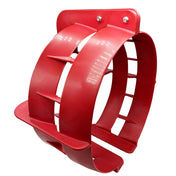
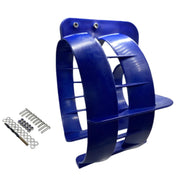
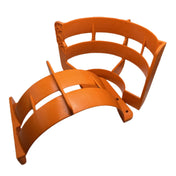
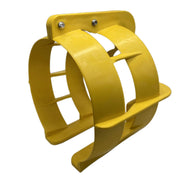
 Regular price $65.00Unit price
 Regular price $35.00Unit price
