Yamaha 20HP 4-Stroke Outboard Marine Engine Parts
(63 products)
This page covers Yamaha 4-Stroke 20HP outboard engines and helps you find compatible parts and service information. Below you’ll find maintenance tips, common replacement parts, and troubleshooting guidance. You can also browse our main Yamaha collection. Scroll to the bottom of the page to start browsing parts for this engine. On the collection page, use the “Filter & Sort” controls to narrow results by horsepower, year range, and part category/section.
Browse All Yamaha Parts
How to Identify Your 20HP Model
- Locate the nameplate/serial sticker on the transom bracket (usually port side) or on the swivel bracket under the cowling.
- Read the model code: it typically starts with “F20” followed by letters/numbers indicating shaft length (S/L), start method and control (M/E/H/R), and a revision suffix.
- Year identification varies by market; confirm by serial number against your service manual or dealer resources.
- Platform clues: earlier F20 models are generally carbureted; later versions may be EFI. Carbureted engines have a choke/primer; EFI models have an ECM and fuel rail.
Engine Overview
F20 Carbureted Platform (earlier generation)
| Feature |
Description |
| Configuration |
Inline twin-cylinder SOHC 4-stroke, carbureted induction. |
| Common Models |
Examples include F20S/L variants such as manual- or electric-start tiller/remote models (e.g., codes similar to F20SMH). A 2014 code like F20SMHA is a typical reference point. |
| Advantages |
Proven reliability, simple service, good low- to mid-range torque for small craft. |
| Notes |
Carburetor service and periodic synchronization are key. Many wear parts carry across sub-variants, but confirm by model code and serial. |
F20 EFI Platform (later generation)
| Feature |
Description |
| Configuration |
Inline twin-cylinder SOHC 4-stroke with electronic fuel injection (EFI) on newer models. |
| Common Models |
Later “F20” designations with EFI; various shaft lengths and tiller/remote options. |
| Advantages |
Improved cold start, cleaner idle, and fuel economy; less seasonal carb maintenance. |
| Notes |
Electrical and fuel components differ from carb versions. Verify parts by exact model code/serial. |
Routine Maintenance & Service Parts
Intervals below are general guidelines for Yamaha 4-stroke 20HP outboards. Always follow the procedures and schedules in your official service manual.
| Item |
Interval* |
Remarks |
Parts Link |
| Engine oil & filter |
First 20 hours, then every 100 hours or annually |
Use FC‑W rated marine oil (viscosity per ambient temps). Replace crush washer if applicable. |
Oil Filters |
| Gear oil (lower unit) |
Every 100 hours or annually |
Inspect for milky oil/metal. If water intrusion is found, service seals before refilling. |
Yamaha Service & Maintenance Kits |
| Spark plugs |
Inspect every 100 hours; replace as needed (1–3 seasons typical) |
Set correct gap; replace if fouled, worn, or after carb/EFI diagnosis. |
Spark Plugs |
| Fuel filter (inline/under-cowl) |
Every 100 hours or at least annually |
Drain/replace more often if contaminated fuel is suspected; add water-separating filter if not equipped. |
Fuel Filters |
| Water pump impeller/kit |
Annually or every 200 hours (whichever comes first) |
Essential for cooling system performance; replace sooner if weak telltale or overheat occurs. |
Yamaha Water Pump Repair Kits |
| Anodes (sacrificial) |
Inspect every 50 hours; replace when 50% consumed |
Use the correct alloy for your water (fresh, brackish, salt). Keep clean and making good contact. |
Yamaha Anodes |
| Propeller & hardware check |
Every service interval |
Inspect blades and hub; replace damaged props. Renew cotter pin and hardware as required. |
Yamaha Propellers |
*Intervals are general recommendations; always defer to the official Yamaha schedule for your exact model.
Frequently Used Parts Categories
Common Symptoms & Quick Checks
| Symptom |
Check First |
Related Parts |
| Weak telltale or overheat alarm |
Inspect intake screens, telltale hose, thermostat operation; verify impeller condition and housing wear. |
Water pump kit, thermostat, intake screens, anodes |
| Hard starting or rough idle |
Use fresh fuel, prime system; check choke/enrichment (carb) or battery voltage (EFI); inspect/replace spark plugs and fuel filter. |
Spark plugs, fuel filter, fuel pump, carb clean/EFI service components |
| Poor acceleration / power loss |
Check prop damage or incorrect pitch; look for restricted fuel flow, fouled plugs, or compression issues. |
Propeller, spark plugs, fuel filter, fuel pump, ignition components |
| Gearcase noise or metal in gear oil |
Verify oil level/condition; inspect for water intrusion; check prop shaft for fishing line; pressure test gearcase. |
Seal kit, bearings, shims, gear lube |
| Excessive vibration |
Inspect prop blades and hub, engine mounting hardware, and idle speed; ensure correct propeller fit. |
Propeller, hardware/fasteners, bushings |
FAQs
Are parts interchangeable across different years or platforms?
Many fasteners, gaskets, and service items carry over within the same F20 platform, but carbureted and EFI versions use different fuel and electrical components. Always verify by full model code and serial number before ordering.
When should I replace the impeller?
Replace the water pump impeller annually or every 200 hours, whichever comes first, and sooner if the telltale weakens or an overheat occurs. Sand/silt use warrants more frequent service.
How often should gear oil be changed?
Change lower unit gear oil every 100 hours or at least once per season. If the oil appears milky or metallic, service seals and inspect gears/bearings.
What information do you need to confirm part compatibility?
Please provide the full model code (e.g., beginning with F20), serial number, shaft length, and whether the engine is carbureted or EFI. A clear photo of the nameplate helps ensure an exact match.
Ready to browse Yamaha by horsepower, year, and model? Start with our main collection for a precise fit.
Shop Yamaha Outboard Parts
If you’re unsure about your model, send us a photo of the nameplate and the part you need and we’ll help verify compatibility.


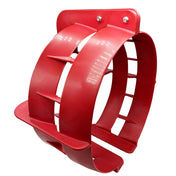
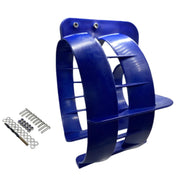
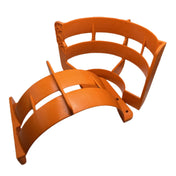
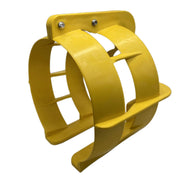
 Regular price $65.00Unit price
 Regular price $35.00Unit price
