Yanmar 350HP 4-Stroke Marine Engine Parts
(5 products)
This page focuses on Yanmar 4‑Stroke 350HP outboard engines and helps you quickly find compatible parts and practical service information. Below you’ll find maintenance tips, common replacement parts, and troubleshooting guidance. You can also browse the main Yanmar collection at any time. Scroll to the bottom of this page to start browsing parts for this engine, and use the “Filter & Sort” controls on the collection page to narrow results by horsepower, year range, and part category/section.
Browse All Yanmar Parts
How to Identify Your 350HP Model
- Find the nameplate/serial plate on the transom or swivel bracket. It lists the model code, serial number, and often the shaft length designation.
- Decode the model: look for the horsepower (350), shaft length suffix (L/XL/XXL), control type (mechanical vs. digital/DBW), and a year or production code.
- Confirm platform details: at this output level, most engines are multi‑cylinder 4‑stroke EFI with digital gauge/networking connectors; note plug styles and harness connectors.
- 4‑Stroke specifics: the powerhead has an external spin‑on oil filter and oil fill; the lower unit has separate gear oil drain/vent screws for service.
Engine Overview
High‑Output 4‑Stroke Outboard (350 HP class)
| Feature |
Description |
| Configuration |
4‑stroke EFI outboard, multi‑cylinder (V‑configuration common in this class), electronic ignition, heavy‑duty gearcase. |
| Common Models |
350 HP 4‑stroke outboard models across multiple production years with XL/XXL shaft options and mechanical or digital controls. |
| Advantages |
Strong offshore thrust, broad torque curve, improved fuel economy vs older 2‑strokes, robust alternator output for onboard electronics. |
| Notes |
Match parts by model code, serial range, shaft length, and control type. Water pump and anode service are critical for reliability; verify prop pitch and hub style for proper load and RPM. |
Routine Maintenance & Service Parts
Intervals below are general guidelines for high‑output 4‑stroke outboards. Always follow the service schedule and procedures in your official service manual.
| Item |
Interval* |
Remarks |
Parts Link |
| Engine oil + filter |
100 hrs or annually |
Warm engine before draining; replace crush washer if applicable. |
Yanmar Oil Filters |
| Gear oil (lower unit) |
100 hrs or annually |
Inspect for water intrusion/metal; replace sealing gaskets as needed. |
Lower Unit Seal Kits |
| Spark plugs |
100 hrs (inspect), 300 hrs (replace typical) |
Gap to spec; replace sooner if misfire or fouling is observed. |
Spark Plugs |
| Engine fuel filter |
100–200 hrs |
Drain water if serviceable; replace element to protect injectors. |
Yanmar Fuel Filters |
| Fuel/water separator (hull‑side) |
Every 100 hrs (inspect), replace as needed |
Use ethanol‑safe elements; keep a spare on board. |
Fuel Filters |
| Water pump impeller/kit |
200 hrs or 2 years (sooner for sandy/silty use) |
Replace impeller and plate/gaskets as a kit for best results. |
Water Pump Impeller Rebuild Kits |
| Anodes (internal/external) |
Quarterly (inspect), replace when 50% consumed |
Choose zinc/aluminum/magnesium based on water type. |
Anodes |
| Drive/alternator belt |
100 hrs (inspect), 300 hrs (replace typical) |
Check tension and condition; replace if cracked or glazed. |
Belt |
| Engine air filter (if equipped) |
Inspect every 100 hrs |
Clean/replace per manual; many outboards use screens vs. filters. |
Yanmar Air Filters |
Frequently Used Parts Categories
Common Symptoms & Quick Checks
| Symptom |
Check First |
Related Parts |
| Weak tell‑tale stream or overheat alarm |
Inspect intake screens for blockage; verify impeller condition and housing plate; check thermostat operation. |
Water pump kit, thermostat, intake screen, anodes |
| Hard starting or rough idle |
Confirm fresh fuel and correct prime; check spark plugs and plug leads; inspect engine and hull‑side fuel filters for water/debris. |
Spark plugs, fuel filter, injectors |
| Poor acceleration or power loss at WOT |
Check for prop hub slip or over‑pitched prop; verify fuel restriction/vacuum; ensure engine reaches recommended RPM range. |
Propeller, fuel filter, injectors, air filter/screen |
| Gearcase noise or metal in gear oil |
Drain gear oil to inspect; check for water intrusion; inspect prop shaft for fishing line cutting seals. |
Lower unit seal kit, gear oil gaskets, prop shaft seals |
| Low charging voltage |
Examine belt tension/condition; verify battery and cable connections; test alternator/regulator output. |
Alternator, belt, regulator/rectifier, battery cables |
FAQs
Are parts interchangeable between different years or platforms?
Not always. High‑output outboards often vary by year, serial range, shaft length, and control type (mechanical vs. digital). Match parts using the exact model code and serial number for the best results.
When should the impeller be replaced?
Replace at least every 200 hours or 2 years, and sooner if you operate in sandy/silty water or notice a weak tell‑tale stream or temperature warnings.
How often should gear oil be changed?
Change every 100 hours or annually. Inspect the drained oil for metal or milky appearance (water intrusion), and renew sealing gaskets to prevent leaks.
What information do you need to confirm part compatibility?
Please provide the complete model code, serial number, shaft length (L/XL/XXL), control type, and photos of the nameplate and the part you’re replacing.
Ready to find the right parts? Browse our main Yanmar collection and use the filters to narrow by horsepower, year, and model.
Shop Yanmar Collections
If you’re unsure about your model, send us a photo of the nameplate and the part you need and we’ll help verify compatibility.




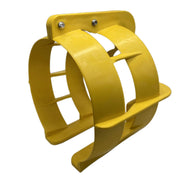
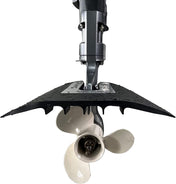 Regular price $65.00Unit price
 Regular price $35.00Unit price
