Evinrude 2-Stroke Outboard Marine Engine Parts
(231 products)
This page is dedicated to Evinrude 2‑Stroke outboard engines. Use it to quickly find compatible parts and service information, including maintenance tips, commonly replaced components, and troubleshooting guidance. You can also browse our main Evinrude collection for a wider selection. Scroll to the bottom of the page to start browsing parts for your engine, and remember: on the collection page you can use the Filter & Sort controls to narrow results by horsepower, year range, and part category.
Browse All Evinrude Parts
How to Identify Your Evinrude 2‑Stroke Model
- Nameplate location: Look for the model/serial tag on the top outside edge of the clamp bracket or on the top of the swivel bracket (port or starboard).
- Reading the model code: Suffix letters often indicate shaft length (S/L/XL), manual vs. electric start, tiller vs. remote control, and a year/series identifier.
- Platform clues: Smaller cowlings with 2 spark plug leads typically indicate twin‑cylinder models; midrange inline‑3 have three plug leads; larger cowls with 4 or 6 plug leads indicate V4 or V6. Many later 2‑strokes use E‑TEC direct injection.
- Record both the model and serial numbers; they help verify exact parts compatibility across years and sub‑variants.
Platform Overview
Small Twin‑Cylinder 2‑Stroke (portable class)
| Feature |
Description |
| Configuration |
Carbureted 2‑stroke, 1–2 cylinders, manual or electric start. |
| Common Models |
Typical 2‑stroke portable ranges (e.g., 9.9–15 HP). |
| Advantages |
Lightweight, simple service, easy to transport and store. |
| Notes |
Check for pre‑mix ratio vs. oil‑injection; impeller service is critical due to small cooling passages. |
Inline‑3 Midrange 2‑Stroke
| Feature |
Description |
| Configuration |
Inline‑3 carbureted or direct‑injected 2‑stroke. |
| Common Models |
Typical 40–75 HP 2‑stroke variants. |
| Advantages |
Good mid‑range torque, compact size, straightforward maintenance. |
| Notes |
Verify prop spline count and gearcase style when ordering props and seal kits; ignition components can vary by year. |
V4 2‑Stroke
| Feature |
Description |
| Configuration |
V4 2‑stroke, carbureted or later direct‑injected variants. |
| Common Models |
Approx. 90–140 HP families. |
| Advantages |
Strong acceleration, widely supported, robust gearcases. |
| Notes |
Thermostat, poppet/pressure valve, and water pump maintenance are key for consistent cooling. |
V6 2‑Stroke (including E‑TEC)
| Feature |
Description |
| Configuration |
V6 2‑stroke with carburetion or E‑TEC direct injection. |
| Common Models |
Approx. 150–300 HP ranges. |
| Advantages |
High output with relatively low weight; E‑TEC variants reduce oil consumption and smoke. |
| Notes |
Confirm alternator/charging system parts by serial; use the correct thermostat/temp sensor style per year and platform. |
Routine Maintenance & Service Parts
Intervals below are general guidelines; always follow the official service manual for your exact model and duty cycle.
| Item |
Interval* |
Remarks |
Parts Link |
| Lower unit gear oil |
100 hours or annually |
Change sooner if water intrusion is suspected; inspect drain/fill seals. |
Evinrude Collection |
| Spark plugs |
100 hours or annually |
Index if specified; check gap and signs of fouling from rich mix or cold running. |
Evinrude Collection |
| Fuel filter / inline filter |
100 hours or annually |
Replace more often when using ethanol fuel or after long storage. |
Fuel Filters |
| Water pump impeller or kit |
2–3 seasons or 200 hours |
Essential for proper cooling; inspect wear plate and cup when replacing. |
Water Pump Repair Kits |
| Anodes (zinc/aluminum/magnesium) |
Inspect each haul‑out; replace when 50% depleted |
Match anode alloy to your water type (salt/brackish/fresh). |
Evinrude/Johnson Anodes |
| 2‑stroke oil supply / oil‑injection system |
Check every trip; inspect annually |
Verify reservoir level (pre‑mix ratio if applicable). Inspect/bleed pump, lines, and filters. |
Oil Lines & Hoses |
| Thermostat inspection |
Every 2 seasons or if running cool/hot |
Replace sticky or corroded thermostats; confirm correct temperature rating. |
Evinrude Collection |
| Propeller & hub inspection |
Each trip and after impacts |
Check for bent blades, fishing line at prop shaft, and spun hubs. |
Evinrude/Johnson Propellers |
Frequently Used Parts Categories
Common Symptoms & Quick Checks
| Symptom |
Check First |
Related Parts |
| Weak tell‑tale stream or overheat alarm |
Inspect intake screens for debris, verify impeller condition, confirm thermostat operation. |
Water pump kit, wear plate, intake screen, thermostat. |
| Poor acceleration or power loss |
Check for fouled plugs, restricted fuel filter, primer bulb collapse, and proper prop pitch. |
Spark plugs, fuel filter, fuel connector/primer bulb, propeller. |
| Hard starting or rough idle |
Verify choke/enrichment, air leaks in fuel lines, stale fuel, and correct plug gap. |
Fuel hoses/clamps, spark plugs, carb kits (if equipped). |
| Excessive smoke (2‑stroke) |
Confirm pre‑mix ratio, check oil‑injection pump setting, and thermostat (cold running increases smoke). |
Oil lines, injection pump components, thermostat. |
| Gearcase noise or metal in gear oil |
Drain oil to inspect for water/metal; check prop shaft seals and shift shaft seal. |
Lower unit seal kit, drain/fill plug gaskets, bearings (inspection). |
FAQs
Are parts interchangeable between different years or platforms?
Many Evinrude 2‑stroke components are year‑ and platform‑specific. Items like ignition modules, gearcases, and thermostat styles can differ between twin, inline‑3, V4, and V6 families. Always verify by model and serial before ordering.
When should I replace the water pump impeller?
As a preventive measure, replace the impeller every 2–3 seasons (or about 200 hours). In sandy, silty, or weed‑prone waters, inspect and service more frequently.
How often should lower unit gear oil be changed?
Change gear oil every 100 hours or annually, and anytime you see signs of contamination (milky color, metal flakes) or after an impact with submerged objects.
What information helps confirm part compatibility?
Provide the full model number, serial number, horsepower, shaft length, and any notable features (manual/electric start, tiller/remote, year). A photo of the nameplate and the part you’re replacing is also helpful.
Ready to find the right components? Browse the main Evinrude collection by horsepower, year, and model to locate parts that fit your engine.
Browse All Evinrude Parts
If you’re unsure about your model, send us a clear photo of the nameplate and the part you need and we’ll help verify compatibility.


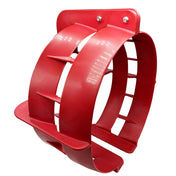
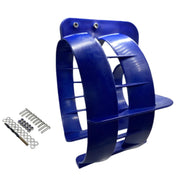
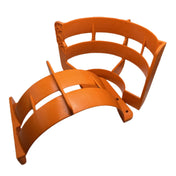
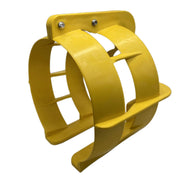
 Sale price $45.89 Regular price $65.00Unit price
 Sale price $23.66 Regular price $35.00Unit price
