Force 2-Stroke Outboard Marine Engine Parts
(71 products)
This page is dedicated to Force 2‑Stroke outboard engines. Use it to find compatible parts, service information, maintenance tips, common replacement items, and troubleshooting guidance. You can also browse the main Force parts collection at any time. Scroll to the bottom of the page to start browsing parts for your engine, and remember that on the collection page you can use the Filter & Sort controls to narrow results by horsepower, year range, and part category/section.
Browse All Force Parts
How to Identify Your Force 2‑Stroke Model
- Locate the serial/model plate on the transom bracket or swivel bracket. It lists the model code and serial number needed for precise parts matching.
- Read the model code carefully: suffix letters often indicate shaft length (e.g., S/15–16 in, L/20 in, XL/25 in), starting/charging options, and sometimes model year revisions.
- Confirm platform details: cylinder count (inline‑2, inline‑3, inline‑4), carburetion, and whether your engine uses premix fuel or an oil‑injection system.
- Measure driveshaft housing from the mounting surface to the anti‑ventilation plate to verify shaft length before ordering lower‑unit related parts.
Engine Overview
Inline‑2 2‑Stroke (Small HP)
| Feature |
Description |
| Configuration |
Carbureted inline‑twin 2‑Stroke; light and simple. |
| Common Models |
Typical small‑horsepower Force 2‑Stroke models used on tenders and light skiffs. |
| Advantages |
Low weight, easy maintenance, strong low‑speed thrust for size. |
| Notes |
Verify premix ratio vs. oil‑injection; water pump and anodes are routine wear items. |
Inline‑3 2‑Stroke (Midrange HP)
| Feature |
Description |
| Configuration |
Carbureted inline‑three 2‑Stroke; common on fishing and runabout hulls. |
| Common Models |
Typical midrange Force 2‑Stroke models (multiple shaft lengths and controls). |
| Advantages |
Good power‑to‑weight, responsive acceleration, straightforward service. |
| Notes |
Many parts interchange across year ranges, but verify by model/serial for ignition and carb components. |
Inline‑4 2‑Stroke (Higher HP)
| Feature |
Description |
| Configuration |
Carbureted inline‑four 2‑Stroke; heavier gearcase and cooling components. |
| Common Models |
Higher‑output Force 2‑Stroke models for larger runabouts and pontoons. |
| Advantages |
Higher top‑end speed and stronger midrange torque. |
| Notes |
Cooling, propeller pitch, and gearcase seals are key to reliability; confirm shaft length and prop hub style. |
Routine Maintenance & Service Parts
Intervals below are general guidelines for Force 2‑Stroke outboards. Always follow your engine’s official service manual for exact procedures and timing based on usage and environment.
| Item |
Interval* |
Remarks |
Parts Link |
| Gear Oil (Lower Unit) |
Every 100 hrs or annually |
Inspect for metal or water intrusion; replace drain plug gaskets; reseal if leaks are present. |
Force Lower Unit Seal Kits |
| Spark Plugs |
Inspect every 50 hrs; replace 100 hrs or yearly |
Check gap and heat range; replace fouled or worn plugs to restore crisp ignition. |
Spark plug |
| Inline Fuel Filter / Water Separator |
Every 100 hrs or seasonally |
Protects carbs from debris and ethanol‑related varnish; replace more often with stale fuel exposure. |
Fuel Filters |
| Water Pump Impeller / Kit |
Every 2 seasons or 100 hrs (annually in sandy/silty water) |
Weak telltale or overheat alarms often trace to a worn impeller or scored housing. |
Force Water Pump Repair Kits |
| Anodes (Corrosion Protection) |
Inspect every 50 hrs; replace when 50% consumed |
Choose material for your water type (aluminum/zinc for salt/brackish, magnesium for fresh water). |
Anodes |
| 2‑Stroke Fuel/Oil Mix or Oil‑Injection Check |
Before each outing; verify at layup and recommission |
Confirm correct premix ratio (commonly 50:1 unless specified otherwise) or test oil‑injection pump, lines, and tank for proper delivery. |
Force Outboard Parts |
Frequently Used Parts Categories
Common Symptoms & Quick Checks
| Symptom |
Check First |
Related Parts |
| Weak telltale stream or overheat alarm |
Inspect intake screens for blockage; verify impeller condition; ensure thermostat opens. |
Water pump repair kit, intake screens, thermostat |
| Hard starting or rough idle |
Check spark plug gap/condition; verify fresh fuel; inspect fuel filter for restriction; look for air leaks in lines. |
Spark plugs, fuel filter, primer bulb/hoses, carb service parts |
| Poor acceleration or power loss |
Confirm prop pitch and hub integrity; clean carbs; check compression and ignition timing. |
Propeller, carb kits, spark plugs |
| Excessive smoke (2‑Stroke) |
Verify premix ratio or oil‑injection calibration; look for leaking fuel needles or stuck choke. |
Fuel needles/seats, choke components, oil‑injection lines |
| Gearcase noise or metal in gear oil |
Inspect prop shaft for fishing line damage; check seals; pressure/vacuum test the gearcase before resealing. |
Lower unit seal kit, prop hardware, gear oil |
FAQs
Are Force parts interchangeable across different years or platforms?
Some items (anodes, prop hardware, certain gaskets) may cross years, but ignition, carburetor, and gearcase parts can vary by model and serial. Always confirm with your model and serial to ensure compatibility.
When should I replace the impeller?
As a rule of thumb, inspect annually and replace every 2 seasons or 100 hours—sooner if you operate in sandy or silty water, or if the telltale stream weakens.
How often should I change lower unit gear oil?
Change gear oil every 100 hours or at least once per year. If the oil appears milky, metallic, or has water present, address seal leaks before further use.
What information helps confirm the correct parts for my engine?
Provide the full model code and serial number from the transom bracket plate, shaft length (S/L/XL), and any key features (electric start, power trim). Photos of the nameplate and the part needing replacement are also helpful.
Ready to find the right components? Browse the main Force collection and refine by horsepower, year, and model using the Filter & Sort tools.
Shop Force Outboard Parts
If you’re unsure about your model, send us a photo of the nameplate and the part you need and we’ll help verify compatibility.


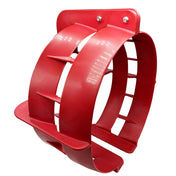
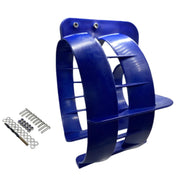
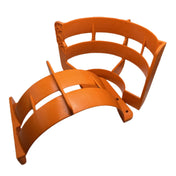
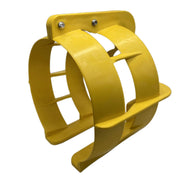
 Regular price $65.00Unit price
 Regular price $35.00Unit price
