A consistent maintenance routine prevents most outboard problems. This checklist organizes tasks by frequency—some need attention every trip, others monthly or seasonally. Print it, laminate it, and keep it with your boat.
Table of Contents
Every-Trip Checks
Before Starting the Engine
These take 5 minutes and catch problems before they strand you:
Visual inspection:
- Check for oil or fluid leaks under the cowling
- Inspect the lower unit for gear oil leaks (milky residue around the prop shaft)
- Look at the propeller for damage, fishing line wrapped on the shaft
- Verify the drain plug is in place (if the boat was on a trailer)
- Check fuel connections for tightness
Safety items:
- Kill switch lanyard attached and functional
- Battery terminals tight and corrosion-free
- Fire extinguisher accessible and charged
- Navigation lights functional (if operating near dusk)
- Steering moves freely lock-to-lock
Fluid levels:
- Engine oil level (4-stroke) — Check on a level surface with engine off
- Hydraulic steering fluid (if equipped)
- Fuel level and fuel/water separator bowl
- Coolant reservoir (if closed-cooling system)
During Operation
- Verify tell-tale water stream (cooling water indicator)
- Monitor engine temperature gauge
- Listen for unusual noises
- Check that oil pressure is normal (if gauge equipped)
- Note any changes in vibration or performance
After Each Trip
- Flush the engine with fresh water (especially after saltwater use)
- Trim the engine down or tilt up depending on storage location
- Disconnect battery if the boat will sit for more than a few days
- Wipe down the engine to remove salt and grime
Monthly Maintenance
Engine
Perform these tasks monthly during boating season (or every 20-30 hours of operation):
1. Inspect and clean spark plugs
- Remove plugs and check condition
- Light tan/brown color = good
- Black, wet, or heavily fouled = investigate
- Gap plugs to specification or replace
2. Check fuel system
- Inspect fuel lines for cracks or swelling
- Check primer bulb condition (should be firm, not sticky or cracked)
- Drain fuel/water separator
- Add fuel stabilizer if fuel will sit more than 2 weeks
3. Inspect belts and hoses (if applicable)
- Check for cracks, fraying, or glazing
- Verify proper tension
- Replace if showing wear
4. Lubrication points
- Grease steering cable and tilt tube fittings
- Lubricate throttle and shift cable pivot points
- Apply corrosion inhibitor to electrical connections
- Grease prop shaft
5. Battery maintenance
- Clean terminals if corrosion is present
- Check electrolyte level (on conventional batteries)
- Test voltage (should be 12.6V+ when fully charged)
- Ensure battery hold-down is secure
Lower Unit
6. Check gear oil level and condition
- Remove the oil level/vent screw
- Oil should be at the level hole
- Check for water contamination (milky or gray oil)
- Top off if low; investigate if contaminated
7. Inspect anodes
- Check zinc/aluminum anodes for wear
- Replace when 50% consumed
- Ensure anodes have clean metal-to-metal contact with the engine
8. Propeller inspection
- Remove the prop and check for fishing line on the shaft
- Inspect blades for dings, bends, or cracks
- Check the prop hub for slipping (rubber hub models)
- Apply waterproof grease to the prop shaft before reinstalling
Quarterly Maintenance
Every 3 Months or 50 Hours
9. Change engine oil and filter (4-stroke)
- Warm the engine first for better oil flow
- Use manufacturer-specified oil weight and marine-rated oil
- Replace the oil filter at every oil change
- Dispose of old oil properly
10. Replace fuel filter
- Fuel filters should be replaced every 50-100 hours
- In saltwater or high-ethanol fuel areas, replace more frequently
- Always carry a spare filter on board
11. Inspect water pump tell-tale output
- Compare flow volume and temperature to baseline
- Reduced flow may indicate impeller wear
- Plan impeller replacement if flow has decreased
12. Test the charging system
- Check battery voltage while running (should be 13.5-14.5V)
- Test at idle and at cruise RPM
- Low charging voltage indicates alternator or regulator issues
13. Inspect the thermostat
- Remove and test in hot water with a thermometer
- Should open at the specified temperature (typically 140-160°F / 60-71°C)
- Replace if stuck open or closed
Annual Service
Full Annual Service Checklist
Perform at the beginning or end of each boating season (or every 100 hours):
14. Replace water pump impeller
- Water pump impeller kits include impeller, gaskets, and housing components
- Even if the impeller looks okay, replace it—rubber degrades internally
- Inspect the housing for wear grooves
15. Change lower unit gear oil
- Drain and refill with manufacturer-specified gear oil
- Check drained oil for water (milky) or metal shavings
- Replace drain and fill screw gaskets
- If water is present, replace lower unit seals
16. Replace all anodes
- Replace all sacrificial anodes regardless of condition
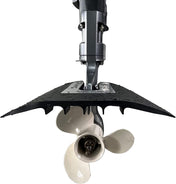
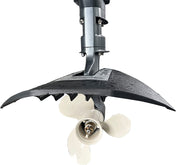
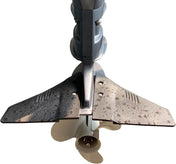
- Includes trim tab anode, lower unit anodes, and any internal anodes
- Anodes are cheap insurance against corrosion
17. Inspect and replace belts
- Replace all accessory belts annually as preventive maintenance
- Cracked or glazed belts can break without warning
18. Complete fuel system service
- Replace all fuel filters and fuel/water separator elements
- Inspect all fuel hoses and replace if deteriorated
- Check fuel tank vent for blockage
- Clean carburetor(s) or test fuel injectors
19. Compression test
- Record compression readings for each cylinder
- Compare to manufacturer specifications
- Compare between cylinders (should be within 10% of each other)
- Baseline readings help track engine health over time
20. Inspect electrical system
- Check all wiring for chafing or corrosion
- Test all gauges and warning systems
- Inspect ignition components
- Clean and protect all electrical connections
Seasonal Tasks
Spring Commissioning
Before the first trip of the season:
- Complete the annual service checklist above
- Charge and test the battery
- Run the engine on muffs and check all systems
- Inspect the trailer (if applicable)
- Verify registration and safety equipment
Mid-Season Check
Halfway through boating season:
- Repeat the monthly maintenance checklist
- Check gear oil for water contamination
- Inspect the propeller for accumulated damage
- Verify all safety equipment is aboard and current
Winterization
At the end of boating season:
- Flush engine thoroughly with fresh water
- Fog the engine cylinders and carburetor(s) (2-stroke and carbureted 4-stroke)
- Stabilize all fuel
- Change engine oil (4-stroke) — Don't store on old oil
- Drain or replace lower unit gear oil
- Disconnect and store the battery on a maintainer
- Spray corrosion inhibitor on all exposed metal
- Cover the engine or store in a dry location
Brand-Specific Notes
Yamaha
Yamaha outboards publish detailed maintenance schedules in the owner's manual. Yamaha recommends initial service at 20 hours, then every 100 hours or annually.
Mercury
Mercury outboards have specific service intervals that vary by model. Mercury's service kits bundle common maintenance items for convenience.
Johnson/Evinrude
Johnson/Evinrude engines follow similar maintenance intervals. Older models may need more frequent attention to fuel system components and electrical connections.
Honda and Suzuki
Honda and Suzuki 4-strokes have maintenance interval indicators on some models. Follow the manufacturer's schedule—these engines reward consistent maintenance with exceptional reliability.
FAQ
What's the most important maintenance item?
Flushing with fresh water after every saltwater use. It's free, takes 10 minutes, and prevents the most common cause of outboard problems—internal corrosion and salt buildup in the cooling system.
Can I do all this maintenance myself?
Most of it, yes. Oil changes, impeller replacement, filter changes, anodes, and lubrication are within reach of anyone with basic mechanical skills. Compression testing and carburetor work may require more experience or a professional.
How much does a full annual service cost?
DIY with quality aftermarket parts: $150-350 depending on engine size. Professional service: $400-1000+. The DIY savings are significant and the work is straightforward.
What if I only use my boat a few times a year?
Time-based maintenance matters as much as hours. Impellers, fuel, and oil degrade with time even when the engine isn't running. Follow the annual schedule regardless of how many hours you logged.
What tools do I need?
Basic hand tools (wrenches, sockets, screwdrivers), an oil filter wrench, grease gun, torque wrench, and a multimeter cover almost everything. Total investment: $100-200 for tools that last years.
Bottom Line
Outboard maintenance isn't complicated—it's just consistent. The every-trip checks take 5 minutes and catch problems early. Monthly tasks prevent the most common failures. Annual service keeps the engine reliable season after season. Print this checklist, customize it for your specific engine using your owner's manual, and follow it faithfully. The cost of maintenance is always less than the cost of repair.