Parsun 2-Stroke 3-250HP Marine Engine Parts
(1 products)This page supports Parsun 2‑Stroke 3–250HP outboard engines. Use it to find compatible parts and practical service information. Below you’ll find maintenance tips, frequently used replacement parts, and troubleshooting guidance. You can also browse our main Parsun-compatible collections by category. Scroll to the bottom to start browsing parts for this engine, and remember you can use the collection page’s Filter & Sort controls to narrow results by horsepower, year range, and part category/section.
Browse Parts & KitsHow to Identify Your 3-250HP Model
- Nameplate location: Look on the transom bracket or swivel bracket for a serial/model plate; some small portables also have a sticker on the clamp bracket or engine mid‑section.
- Reading model codes: The base model is followed by suffix letters/numbers indicating shaft length (S/L/XL), control type (tiller/remote), and market/year code. Record the full string to confirm parts.
- 2‑Stroke specifics: Note whether your engine uses premix fuel or has oil‑injection. This affects fuel/oil system service and parts selection.
- Platform cues: Cylinder count often scales with horsepower (1 cyl for 3–6HP, 2 cyl for 9.8–30HP, 3 cyl for many 40–90HP). Larger outputs may use multi‑cylinder blocks; verify by serial and visual inspection.
Platform Overview
Portable 3–6HP
| Feature | Description |
|---|---|
| Configuration | Single‑cylinder, carbureted 2‑Stroke; manual start; tiller steer. |
| Common Models | 3–6HP portable 2‑Stroke models (short/long shaft variants). |
| Advantages | Very light, simple service, easy transport. |
| Notes | Check premix ratio and spark plug heat range per model label. Impeller and anodes are primary maintenance items. |
Midrange 9.8–30HP
| Feature | Description |
|---|---|
| Configuration | Twin‑cylinder, carbureted 2‑Stroke; tiller or remote options. |
| Common Models | 9.8, 15, 18, 20–30HP class 2‑Stroke outboards. |
| Advantages | Strong low‑weight power, simple ignition and fuel systems. |
| Notes | Verify shaft length (S/L/XL) for gearcase and driveline parts. Prop pitch selection significantly affects acceleration. |
Mainstream 40–90HP
| Feature | Description |
|---|---|
| Configuration | Inline‑3 carbureted/oil‑injected 2‑Stroke in many applications. |
| Common Models | 40, 50, 60, 75, 85, 90HP class 2‑Stroke outboards. |
| Advantages | Good power‑to‑weight, strong mid‑range torque. |
| Notes | Use the serial/model code to confirm ignition, carburetion, and gear ratio differences across sub‑variants. |
High Output 115–250HP (where applicable)
| Feature | Description |
|---|---|
| Configuration | Multi‑cylinder 2‑Stroke platforms used in select markets; confirm exact platform by serial. |
| Common Models | 115–150HP and higher 2‑Stroke classes up to V‑configuration. |
| Advantages | High power density for heavier hulls and higher speeds. |
| Notes | Cooling, fuel, and ignition components vary by platform. Always match parts to serial/model and gearcase type. |
Routine Maintenance & Service Parts
Intervals below are general guidelines for 2‑Stroke outboards. Always follow the official service manual and local operating conditions.
| Item | Interval* | Remarks | Parts Link |
|---|---|---|---|
| Gear oil (lower unit) | 100 hours or annually | Inspect for water intrusion/metal. Replace seals if milky oil is found. | Lower Unit Seal Kits |
| Spark plugs | 100 hours or annually | Use correct heat range and gap for your model; replace fouled plugs. | Spark Plugs |
| Fuel filter / inline filter | 100 hours or at layup | Replace more often with stale/contaminated fuel; check hoses for cracks. | Fuel Filters |
| Water pump impeller / kit | 200 hours or every 1–2 seasons | Shorten interval for sandy/silty water or weak tell‑tale stream. | Water Pump Impeller Rebuild Kits |
| Anodes (sacrificial) | Inspect every 50 hours; replace when 50% consumed | Match alloy to water type (salt/brackish/fresh) and maintain bonding. | Anodes |
| 2‑Stroke fuel/oil system | Seasonally | Premix engines: use the ratio specified on the engine. Oil‑injected engines: inspect oil pump operation and oil lines. | Hoses |
| Gearcase seals (if leakage found) | As needed | Pressure/vacuum test after seal replacement; check prop shaft for fishing line damage. | Lower Unit Seal Kits |
Frequently Used Parts Categories
- Routine Service: Service & Maintenance Kits
- Cooling System: Impellers and Water Pumps
- Fuel System: Fuel Filters and Fuel Pumps
- Ignition / Electrical: Electrical Items and Spark Plugs
- Lower Unit / Gearcase: Lower Unit Seal Kits
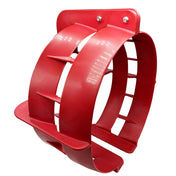
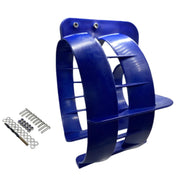
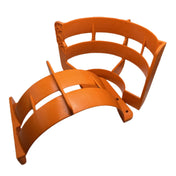
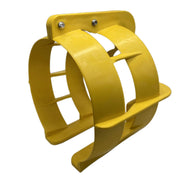
- Propulsion & Safety: Propellers and Propeller Guards
- Corrosion Protection: Anodes
Common Symptoms & Quick Checks
| Symptom | Check First | Related Parts |
|---|---|---|
| Weak tell‑tale stream or overheat alarm | Inspect intake screen for blockage; verify impeller condition; confirm thermostat operation. | Water pump impeller/kit, intake screen/gaskets, thermostat, anodes. |
| Poor acceleration or power loss | Check prop for damage/cavitation; verify correct pitch; inspect fuel delivery and plugs. | Propeller, spark plugs, fuel filter, fuel pump, carburetor service kit. |
| Hard starting or rough idle | Use fresh fuel; confirm choke/enrichment function; check for air leaks; verify spark. | Fuel filter, hoses/clamps, carburetor kit, spark plugs, ignition components. |
| Excessive smoke (2‑Stroke) | Verify mix ratio or oil‑injection rate; ensure choke not stuck; confirm thermostat allows normal operating temp. | Oil lines, fuel/oil pump, carburetor parts, spark plugs, thermostat. |
| Gearcase noise or metal in gear oil | Drain oil and inspect; check for fishing line at prop shaft; pressure/vacuum test seals. | Lower unit seal kit, bearings, prop shaft hardware, gear oil. |
FAQs
Are parts interchangeable between different years or platforms?
Some service items (impellers, anodes, plugs) may overlap, but ignition, carburetor, and gearcase components can vary by year, shaft length, and platform. Always confirm with the full model/serial code.
When should I replace the impeller?
As a preventive measure every 200 hours or 1–2 seasons, and sooner if the tell‑tale stream is weak, you operate in sandy water, or you see overheating symptoms.
How often should I change gear oil?
Inspect at least annually or every 100 hours. Change sooner if the oil appears milky (water intrusion) or contains metal. Address seal issues before returning to service.
What information helps confirm part compatibility?
Provide a clear photo of the nameplate, full model/serial, shaft length (S/L/XL), control type (tiller/remote), and any known modifications. Photos of the old part also help.
Ready to find the right components for your Parsun 2‑Stroke? Browse our parts by category, then filter by horsepower, year, and model details to locate compatible items quickly.
Browse Parts & KitsIf you’re unsure about your model, send us a photo of the nameplate and the part you need and we’ll help verify compatibility.
- Most relevant
- Best selling
- Alphabetically, A-Z
- Alphabetically, Z-A
- Price, low to high
- Price, high to low
- Date, old to new
- Date, new to old

SeaSierra
50°C Thermostat for Yamaha 2-Stroke Outboards – 25N, 30D, 40V, 225G, 250A/B
Regular price $26.40Unit price