Regular corrosion inspection is one of the most important maintenance habits for outboard owners. Catching corrosion early means simple repairs. Missing it means costly replacements or even engine failure.
A thorough inspection takes 15-20 minutes and can save thousands in damage.
Table of Contents
- When to Inspect
- External Inspection
- Lower Unit Inspection
- Cooling System Inspection
- Electrical System Inspection
- Anode Inspection
- FAQ
When to Inspect
Recommended Schedule
| Water Type | Inspection Frequency |
|---|---|
| Salt water | Monthly during use, before and after storage |
| Brackish water | Monthly during use |
| Fresh water | Every 3 months during use, seasonally |
| After any incident | Immediately (grounding, overheating, etc.) |
Triggers for Immediate Inspection
Inspect right away if:
- Engine overheated
- Ran aground or hit debris
- Electrical system problems appeared
- Anode consumption seems unusually fast
- Noticed white or green deposits on engine
- Performance has decreased for no obvious reason
External Inspection
What to Look For
Start with a visual sweep of all visible surfaces:
Lower unit exterior:
- White, chalky deposits on aluminum (oxidation)
- Pitting—small holes or craters in the surface
- Paint bubbling or flaking
- Green or white crusty buildup around fittings
Midsection:
- Corrosion around mounting hardware
- Deterioration of painted surfaces
- Staining or discoloration
Transom bracket and clamp area:
- Corrosion where engine contacts boat
- Deterioration of mounting bolts
- Galvanic corrosion between engine and transom hardware
How to Assess Severity
Use this scale:
Mild: Surface oxidation, white film, easily wiped off. No action needed beyond cleaning and monitoring.
Moderate: Pitting visible, paint lifting, deposits that don't wipe off easily. Clean, treat, and monitor closely.
Severe: Deep pitting, material loss visible, structural thinning. Professional assessment recommended. Repair or replacement likely needed.
Lower Unit Inspection
Key Areas
The lower unit is most exposed and most vulnerable:
Water intake screens:
- Check for corrosion around intake openings
- Look for debris trapped in corroded areas
- Ensure screens are intact
Skeg and cavitation plate:
- Common impact areas that expose bare metal
- Check for chips in coating that expose aluminum
- Look for pitting on unprotected surfaces
Propeller shaft area:
- Inspect where prop shaft exits housing
- Look for corrosion around seals
- Check for galvanic corrosion between stainless shaft and aluminum housing
Drain/fill plugs:
- Corrosion around plug threads is common
- Check for damaged threads
- Look for seepage indicating seal failure
During Oil Changes
When you drain lower unit oil, inspect:
- Oil color (milky = water intrusion, possibly from corroded seals)
- Metal particles in oil (could indicate internal corrosion)
- Condition of drain plug gaskets
Cooling System Inspection
External Indicators
Tell-tale flow:
- Reduced flow may indicate corroded internal passages
- Discolored water suggests internal corrosion
- Rust-colored discharge is a warning sign
Thermostat housing:
- Check for corrosion around gasket surfaces
- Look for coolant weeping
- Inspect mounting hardware
During Water Pump Service
When the lower unit is off:
- Inspect water passages for scale and corrosion
- Check water tube condition
- Look for corroded gasket surfaces
- Examine the water pump housing interior
Electrical System Inspection
Connections and Terminals
Corrosion on electrical connections causes:
- Hard starting
- Charging system problems
- Gauge malfunctions
- Intermittent electrical failures
What to check:
- Battery terminals and cables
- Starter motor connections
- Ground connections
- Harness connectors
- Ignition system wiring
Signs of Electrical Corrosion
- Green or white buildup on terminals
- Wires that feel stiff or brittle
- Corroded pins inside connectors
- Voltage drops across connections
Prevention
- Apply dielectric grease to connections
- Use heat shrink on exposed terminals
- Install terminal covers
- Spray electrical connections with corrosion inhibitor
Anode Inspection
How to Check Anodes
Anodes are your primary corrosion defense. Inspect them carefully:
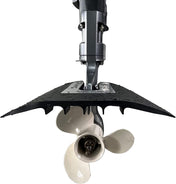
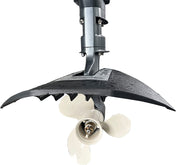
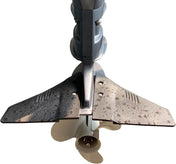
Trim tab anode:
- Most visible and accessible
- Look at consumption level
- Should show signs of sacrificial corrosion
Lower unit anodes:
- Check behind propeller
- Look on sides of lower unit
- Some are inside the exhaust housing
Internal anodes:
- Located inside the engine
- Accessible during service
- Often overlooked
Anode Condition Assessment
| Condition | Action |
|---|---|
| Less than 25% consumed | Good, continue monitoring |
| 25-50% consumed | Plan replacement at next service |
| More than 50% consumed | Replace soon |
| 75%+ consumed or missing | Replace immediately |
| Smooth, uncorroded surface | Not working—check contact |
When Anodes Aren't Working
If anodes look clean and uncorroded, they're not protecting your engine:
- Check for paint or coating on contact surface
- Verify metal-to-metal contact with engine
- Ensure mounting hardware is tight
- Wrong anode material for your water type
A working anode looks rough and partially consumed. A smooth, shiny anode is a problem. Find the right replacement anodes for your engine.
Brand-Specific Inspection Points
Yamaha
Yamaha outboards have anodes at the trim tab, lower unit, and internally. The internal anode near the thermostat housing is frequently missed.
Mercury
Mercury outboards may have a flat anode on the transom bracket area. Check this location during every inspection.
Johnson/Evinrude
Johnson/Evinrude older models are particularly susceptible to corrosion around the exhaust housing. Inspect this area carefully.
Honda and Suzuki
Honda and Suzuki have internal anodes that require cowl removal to access. Don't skip these during annual service.
Documentation
Keep Records
Track corrosion over time:
- Photograph problem areas at each inspection
- Note anode consumption rate
- Record any repairs or treatments
- Compare photos between inspections
What to Record
For each inspection, note:
- Date and hours on engine
- Anode condition (percentage consumed)
- Any new corrosion found
- Location and severity
- Actions taken
This history helps identify developing problems and validates your prevention strategy.
FAQ
What does early corrosion look like on aluminum?
White, powdery oxidation on the surface. It may feel chalky or rough. This is surface corrosion and is normal in small amounts.
Should I be concerned about surface oxidation?
Light surface oxidation is normal and actually forms a protective layer. Deep pitting, bubbling paint, or material loss are concerning.
Can I treat corrosion myself?
Surface corrosion can be cleaned with aluminum-safe corrosion remover, then protected with paint or coating. Deep corrosion or structural damage needs professional assessment.
How do I know if corrosion is structural?
If you can see significant material loss, holes, or thinning, it's structural. Any corrosion that compromises the housing integrity requires professional repair or replacement.
Does corrosion mean my anodes aren't working?
Some corrosion is normal even with proper anodes. Excessive or rapid corrosion suggests anode problems, wrong anode type, or stray current issues.
Bottom Line
Regular corrosion inspection is quick, free, and prevents expensive damage. Check your anodes, examine external surfaces, and look for signs of accelerated corrosion at every opportunity. Document what you find and address problems early. The best time to catch corrosion is before it becomes structural—make inspection a habit every time you're near your outboard.