Galvanic corrosion is the most common form of corrosion on outboard motors. It happens whenever two different metals are in contact and submerged in water. Understanding this process is the key to preventing it from eating your engine alive.
Table of Contents
- What Is Galvanic Corrosion
- How It Works on Outboards
- Galvanic Corrosion vs Stray Current Corrosion
- The Galvanic Series
- How Sacrificial Anodes Work
- Prevention Methods
- FAQ
What Is Galvanic Corrosion
The Basic Science
Galvanic corrosion occurs when three conditions exist simultaneously:
- Two dissimilar metals — Different metals or alloys in contact
- An electrolyte — A conductive liquid (water) connecting them
- An electrical path — Physical contact or wire between the metals
When these conditions are met, an electrochemical reaction begins. One metal (the anode) gives up material to protect the other (the cathode). The anode corrodes; the cathode is preserved.
Why Boats Are Especially Vulnerable
Outboard motors are a perfect setup for galvanic corrosion:
- Multiple metals used in construction (aluminum, steel, bronze, copper)
- Constantly submerged in electrolyte (water)
- Metals are physically connected through the engine structure
- Salt water dramatically increases conductivity
Your outboard is essentially a battery sitting in water, slowly consuming itself.
How It Works on Outboards
Common Galvanic Couples
On a typical outboard, these metal combinations create galvanic cells:
| Anode (Corrodes) | Cathode (Protected) | Where It Happens |
|---|---|---|
| Aluminum housing | Stainless steel prop shaft | Lower unit |
| Aluminum lower unit | Bronze water pickup | Intake area |
| Zinc anode | Aluminum housing | By design |
| Aluminum trim tab | Stainless hardware | Trim system |
What the Damage Looks Like
Galvanic corrosion creates recognizable patterns:
On aluminum: - White, powdery deposits - Pitting on the surface - Material loss around fasteners - Rough, chalky texture
Around stainless components: - Aluminum corroding near stainless bolts - Clean stainless surrounded by damaged aluminum - Accelerated wear at metal junctions
On painted surfaces: - Paint bubbling from underneath - Corrosion spreading under coatings - Blistering around hardware
Galvanic Corrosion vs Stray Current Corrosion
These are often confused but have different causes:
Galvanic Corrosion
- Caused by dissimilar metals in water
- Relatively slow process
- Predictable based on metals involved
- Controlled by sacrificial anodes
- Always present to some degree
Stray Current Corrosion
- Caused by electrical faults
- Extremely fast and destructive
- Can damage any metal regardless of type
- Requires finding and fixing the electrical fault
- Not normal—indicates a problem
How to tell the difference:
- Galvanic corrosion follows predictable patterns near dissimilar metal junctions
- Stray current corrosion can appear anywhere, often severe and rapid
- If corrosion is unusually fast or in unexpected locations, suspect stray current
Common Stray Current Sources
- Faulty shore power connections
- Damaged wiring in the boat
- Improper grounding
- Nearby boats with electrical faults (marina environment)
The Galvanic Series
Understanding the Scale
Metals are ranked by their electrical potential in seawater:
Most active (anodic) — corrodes first: - Magnesium - Zinc - Aluminum alloys - Mild steel - Cast iron
Middle: - Lead - Tin - Brass
Least active (cathodic) — protected: - Copper - Bronze - Stainless steel (passive) - Titanium - Graphite
The further apart two metals are on this scale, the faster the corrosion of the more active metal.
Why This Matters for Your Outboard
Your aluminum lower unit sits between zinc (anodes) and stainless steel (hardware) on the scale:
- Zinc corrodes to protect aluminum — this is intentional
- Aluminum would corrode to protect stainless — this is what we prevent
- Without zinc anodes, the aluminum housing becomes the sacrificial metal
This is exactly why sacrificial anodes are critical.
How Sacrificial Anodes Work
The Concept
Sacrificial anodes are pieces of metal deliberately more active than your engine components. They corrode instead of your outboard:
- Anode is mounted on the engine
- Water completes the circuit
- Anode corrodes preferentially
- Engine metals are protected
- Anode is consumed over time
Anode Types
Zinc anodes: - Best for salt water - Most common type - Moderate protection voltage
Magnesium anodes: - Best for fresh water - Higher driving voltage - Corrodes too fast in salt water
Aluminum anodes: - Works in all water types - Good compromise for mixed use - Increasingly popular choice
Anode Maintenance
For anodes to work:
- Must have clean metal-to-metal contact with the engine
- Must be submerged in water
- Must be replaced before fully consumed
- Paint or coating on contact surface defeats the purpose
Replace anodes when 50% consumed. Don't wait until they're gone—by then your engine is unprotected.
Prevention Methods
Proper Anode Installation
Critical steps:
- Clean mounting surface to bare metal
- Don't paint the anode or contact area
- Ensure tight, secure mounting
- Check torque on mounting hardware
- Verify metal-to-metal contact
Isolation Techniques
When possible, separate dissimilar metals:
- Use plastic or rubber washers between different metals
- Apply anti-seize compound on threaded connections
- Use isolation mounts where appropriate
Electrical System Maintenance
Prevent stray current corrosion:
- Inspect wiring regularly
- Fix any corroded connections
- Test for stray current with a multimeter
- Ensure proper grounding
- Check shore power connections
Regular Inspection
Monitor corrosion activity:
- Check anodes monthly in salt water
- Look for unusual corrosion patterns
- Document anode consumption rate
- Compare to previous inspections
Brand-Specific Notes
Yamaha
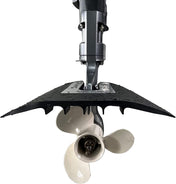
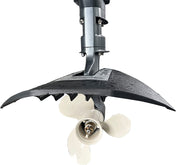
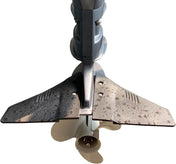
Yamaha outboards place anodes at multiple locations including the trim tab, lower unit, and internal passages. All locations need inspection.
Mercury
Mercury outboards use a dedicated anode system. Some models have internal anodes accessible only during service.
Johnson/Evinrude
Johnson/Evinrude models use trim tab anodes and may have additional anode locations depending on the model year.
Honda and Suzuki
Honda and Suzuki engines include internal anodes that require periodic inspection. Don't overlook these during routine service.
FAQ
Why do anodes corrode so fast on my boat?
Fast anode consumption can indicate: stray current problems, wrong anode type for your water, or a nearby boat with electrical faults. If anodes last less than a few months, investigate.
Can I over-protect with too many anodes?
Technically yes—excessive cathodic protection can cause paint blistering and hydrogen embrittlement, but this is rare with standard anode quantities.
Do I need anodes if I only use fresh water?
Yes. Galvanic corrosion still occurs in fresh water, just slower. Magnesium anodes provide the right level of protection.
What happens if I don't replace consumed anodes?
Your engine becomes the sacrificial anode. The aluminum housing starts corroding to protect stainless components. This leads to pitting, water intrusion, and eventual structural failure.
Can galvanic corrosion happen out of water?
Not significantly. The electrolyte (water) is required. However, salt deposits left on metal can continue corroding with humidity—another reason to flush after saltwater use.
Bottom Line
Galvanic corrosion is an unavoidable reality of running an outboard motor. The key is managing it through proper sacrificial anodes, correct anode selection for your water type, and regular inspection. Understand the galvanic series, maintain your anodes, and watch for signs of stray current corrosion. Prevention costs pennies compared to the damage uncontrolled corrosion causes.