Proper storage preparation protects your outboard from corrosion, fuel system damage, and deterioration during months of non-use. Whether it's winter layup or an extended break from boating, the steps you take before storage determine how easily your engine starts next season.
This guide covers everything from fuel system preparation to physical storage considerations.
Table of Contents
- Why Storage Preparation Matters
- Fuel System Preparation
- Engine Protection
- Lower Unit and Electrical
- Physical Storage Options
- FAQ
Why Storage Preparation Matters
Outboards face specific threats during storage:
Fuel degradation:
- Gasoline breaks down in 30-60 days
- Ethanol attracts moisture, causing phase separation
- Varnish clogs carburetor passages
- Fuel system components deteriorate
Internal corrosion:
- Combustion chamber rust from moisture
- Cylinder wall pitting
- Valve damage (4-stroke)
External corrosion:
- Salt residue causes aluminum corrosion
- Dissimilar metal corrosion continues
- Finish deterioration
Rubber and seal degradation:
- Seals dry out and crack
- Fuel lines harden
- Impeller takes a set
Proper preparation prevents all of these issues.
Fuel System Preparation
You have two main options for fuel handling during storage:
Option 1: Stabilize and Fill
This is the preferred method for most situations:
- Add fuel stabilizer to a nearly full tank
- Run the engine for 10-15 minutes to circulate treated fuel
- Top off the tank to minimize air space (reduces condensation)
Benefits:
- Treated fuel stays usable for 6-12 months
- Minimizes tank condensation
- Protects internal fuel system components
Best stabilizer products:
| Product | Dose | Notes |
|---|---|---|
| Sta-Bil Marine | 1 oz per 2.5 gallons | Ethanol protection |
| Star Tron | 1 oz per 6 gallons | Enzyme-based |
| Sea Foam | 1 oz per gallon | Also cleans |
Option 2: Drain Fuel System
Sometimes used for very long storage or uncertain situations:
- Run tank nearly empty
- Disconnect fuel line and run until engine stops
- Drain carburetor bowls (if accessible)
Benefits:
- No fuel to degrade
- No ethanol damage risk
Risks:
- Exposed fuel system components may corrode
- Dry seals may crack
- More work at recommissioning
For most boaters, Option 1 (stabilize and fill) is better and easier.
Carburetor Considerations
After circulating stabilized fuel:
- Some owners drain carburetor bowls anyway
- Prevents any fuel sitting in small passages
- Access drain screw, let fuel drain out
This extra step provides additional protection for carbureted engines.
Engine Protection
Fogging the Engine
Fogging oil protects internal engine components during storage:
For carbureted engines:
- Start engine and let warm up
- While running at fast idle, spray fogging oil into carburetor throat
- Continue until engine smokes heavily
- Shut off engine
For fuel-injected engines:
- Remove spark plugs
- Spray fogging oil directly into each cylinder
- Turn engine over briefly (with kill switch off) to distribute
- Reinstall plugs
Fogging oil coats cylinder walls, pistons, rings, and valves to prevent corrosion.
Engine Oil (4-Stroke)
Change the oil before storage:
Why change before, not after?
- Used oil contains acids and contaminants
- These cause corrosion during sitting
-
Fresh oil provides protection
-
Warm the engine to thin the oil
- Drain completely
- Replace filter
- Refill with fresh oil
Flushing After Saltwater
If you've run in saltwater, flush thoroughly before storage:
- Connect flush muffs or adapter
- Run fresh water through for 5-10 minutes minimum
- This removes salt from cooling passages
- Salt left in passages causes corrosion
Lower Unit and Electrical
Lower Unit Oil
Change before storage:
- Warm the lower unit briefly
- Remove drain and fill plugs
- Let oil drain completely
- Inspect for water contamination (milky appearance)
- Refill with fresh gear oil
- Replace plug gaskets if worn
Why change now?
Water contamination causes ice expansion damage in cold climates and ongoing corrosion in any climate.
Battery
Remove or maintain the battery:
Option 1: Remove
- Disconnect and remove from boat
- Clean terminals
- Store in cool, dry location
- Charge periodically (every 4-6 weeks)
Option 2: Maintain in place
- Disconnect negative terminal
- Use battery maintainer/tender
- Check electrolyte (if applicable)
Never store a discharged battery—it will sulfate and may not recover.
Electrical Connections
- Spray electrical connections with corrosion inhibitor
- Check for damaged wiring (fix before spring)
- Ensure all connections are secure
Propeller and Anodes
Propeller
- Remove propeller
- Inspect for damage
- Clean fishing line from shaft
- Apply waterproof grease to shaft
- Store prop separately or reinstall
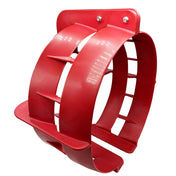
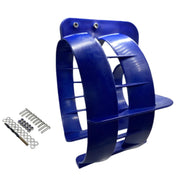
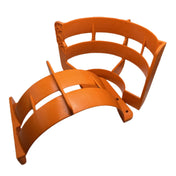
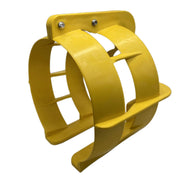
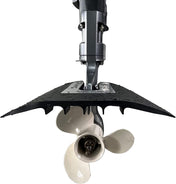
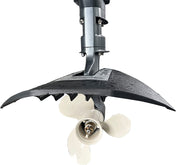
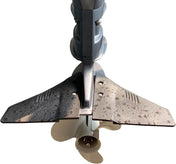
Find propeller guards for added protection.
Anodes
Inspect all anodes:
- Replace if more than 50% consumed
- Clean contact surfaces
- Ensure good electrical connection
Anodes continue to work during storage, protecting against galvanic corrosion.
Physical Storage Options
Storage Position
Upright (preferred):
- Normal running position
- Water drains from lower unit
- Most stable
Tilted up:
- Allows water to drain from midsection
- Good for cold climates
- Use tilt lock or support
Never store:
- Horizontal (laying down)
- With lower unit in water
Storage Location
Indoor storage (best):
- Climate controlled if possible
- Protected from weather
- Reduces UV exposure
Covered outdoor:
- Use quality cover
- Elevate off ground if on trailer
- Protect from precipitation
In-water storage:
- Not recommended for extended periods
- If necessary, run engine monthly
- Check anodes regularly
Engine Cover
A quality cover protects against:
- Dust and debris
- UV damage to plastics
- Bird droppings (acidic)
- Moisture (with ventilation)
Use a breathable cover to prevent moisture trapping.
Brand-Specific Notes
Yamaha
Yamaha outboards recommend their own Ring Free for fuel treatment. F-series 4-strokes need oil change before storage.
Mercury
Mercury outboards suggest Quickstor fuel treatment. SmartCraft-equipped engines may store diagnostic data that's useful to review.
Johnson/Evinrude
Johnson/Evinrude 2-strokes with oil injection should have the oil tank topped off. E-TEC models have specific storage recommendations in the manual.
Honda and Suzuki
Honda and Suzuki 4-strokes emphasize oil change before storage and fogging with their recommended products.
Storage Checklist
Before putting your outboard away:
- [ ] Fuel stabilized and tank full
- [ ] Engine fogged (or cylinders oiled)
- [ ] Cooling system flushed (if saltwater use)
- [ ] Engine oil changed (4-stroke)
- [ ] Lower unit oil changed
- [ ] Battery removed or on maintainer
- [ ] Propeller removed and shaft greased
- [ ] Anodes inspected
- [ ] Engine cover installed
- [ ] Storage position secure
FAQ
How long can an outboard sit without running?
With proper preparation, 6-12 months is typical. Beyond that, the fuel should be replaced and more thorough inspection done before running.
Should I run the engine periodically during storage?
If convenient, running monthly for 10-15 minutes keeps things circulating and prevents problems. But proper preparation allows safe extended storage without running.
Can I store my outboard in an unheated garage?
Yes, as long as water is drained from the cooling system and lower unit oil is fresh. Freezing temperatures won't damage a properly prepared outboard.
What's the biggest mistake people make with storage?
Leaving untreated fuel in the system. This causes more storage-related problems than anything else.
Do I need to remove the outboard from the boat?
Not necessarily. On-boat storage is fine if properly covered and the lower unit is not submerged.
Bottom Line
Proper storage preparation takes a few hours but prevents expensive repairs and frustrating spring startup problems. Focus on fuel treatment, internal protection through fogging, oil changes, and proper battery care. These steps protect your investment and ensure your outboard is ready to run when you are.