When your propeller suddenly loses grip and the engine races, most boaters call it "cavitation." But that's usually wrong—what you're experiencing is likely ventilation.
Understanding the difference matters because the causes and solutions are completely different.
Table of Contents
- The Basic Difference
- Understanding Ventilation
- Understanding Cavitation
- How to Tell Them Apart
- Preventing Each Problem
- FAQ
The Basic Difference
Ventilation: Air from the surface is drawn down to the propeller, breaking the water's grip on the blades.
Cavitation: Low pressure behind the blades causes water vapor bubbles to form and collapse, eroding the propeller surface.
Think of it this way:
- Ventilation = air getting to the prop
- Cavitation = vapor bubbles forming due to pressure
Both cause the engine to over-rev and lose thrust, but they happen for different reasons.
Understanding Ventilation
What Happens
During ventilation, air (or exhaust gases) reaches the propeller blades. The prop suddenly spins through air instead of water, and thrust disappears.
What Causes Ventilation
Engine mounted too high:
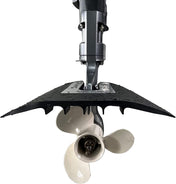
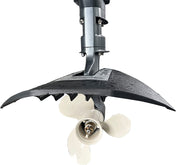
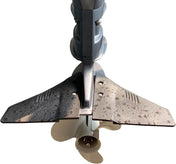
The anti-ventilation plate (often incorrectly called the cavitation plate) exists specifically to prevent surface air from reaching the prop. If the engine is too high, this plate can't do its job.
Excessive trim out:
Trimming the engine too far out raises the prop toward the surface, making ventilation more likely.
Sharp turns:
During hard turns, water flow becomes disrupted and air can be drawn to the prop.
Rough water:
Waves and chop can expose the prop or allow air to reach it from disturbed water.
Damaged anti-ventilation plate:
A bent or corroded plate won't properly block air.
Exhaust system issues:
On through-hub exhaust props, problems can allow exhaust gases to reach the prop blades.
Ventilation Symptoms
- Sudden, dramatic RPM increase
- Complete loss of thrust
- Usually occurs at high speed or during turns
- Stops immediately when throttle is reduced
- No damage to propeller (unless prop strikes something)
Understanding Cavitation
What Happens
True cavitation occurs when water pressure on the back (suction side) of the prop blade drops so low that the water essentially boils, forming vapor bubbles. When these bubbles collapse against the blade surface, they cause pitting and erosion.
What Causes Cavitation
Propeller damage:
Nicks, dings, and bent blades disrupt smooth water flow, creating low-pressure zones.
Propeller design issues:
- Wrong pitch for the application
- Incorrect diameter
- Leading edge damage
Excessively high speeds:
Even properly designed props will eventually cavitate at extreme speeds.
Water contamination:
Debris in the water can trigger cavitation.
Surface irregularities:
Barnacles, corrosion, or pitting on existing prop surfaces can cause localized cavitation.
Cavitation Symptoms
- May or may not notice RPM change
- Progressive propeller erosion (pitting on blade surfaces)
- Possible vibration from blade damage
- Often happens gradually, not suddenly
- Damage is visible on prop inspection
Cavitation Damage
Cavitation is destructive. The collapsing vapor bubbles hammer the blade surface:
- Pitting on the blade face
- Erosion starting at leading edge
- Progressive material loss
- Eventually affects prop balance and performance
How to Tell Them Apart
| Characteristic | Ventilation | Cavitation |
|---|---|---|
| Onset | Sudden | Gradual |
| RPM change | Dramatic increase | May be minimal |
| Prop damage | None (from the event itself) | Pitting and erosion |
| When it happens | High speed, turns, rough water | Any speed, but worse at high speed |
| What you feel | Complete loss of thrust | Possibly vibration |
| Recovery | Immediate when throttle reduced | Damage is done |
Quick Diagnosis
If the engine suddenly over-revs and recovers when you slow down:
- This is almost certainly ventilation
- Check mounting height and trim
If you find pitting on your prop blades:
- This is cavitation damage
- Have the prop repaired or replaced
- Investigate the cause
Preventing Ventilation
Correct Mounting Height
The anti-ventilation plate should be:
- At or near the bottom of the hull
- May be 1-2" above for performance applications
- Never so high that air can reach prop in normal operation
Test your mounting height in the conditions you'll actually use—what works in calm water may fail in rough water.
Proper Trim
- Don't over-trim in rough conditions
- Trim in during turns
- Reduce trim out when running in chop
Driving Technique
- Ease throttle in hard turns
- Reduce speed in rough water
- Anticipate conditions that promote ventilation
Equipment Checks
- Inspect anti-ventilation plate condition
- Verify exhaust system integrity
- Check for damaged water intake
Preventing Cavitation
Propeller Maintenance
Keep your propeller in good condition:
- Repair nicks and dings promptly
- Have bent blades straightened professionally
- Replace props with significant damage
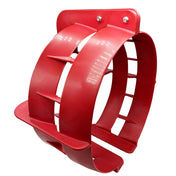
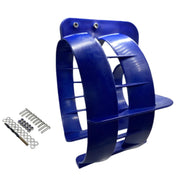
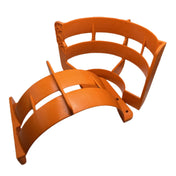
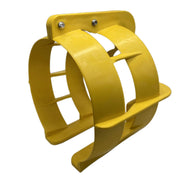
Find propellers and propeller guards for your outboard.
Correct Prop Selection
Using the right propeller prevents design-related cavitation:
- Proper pitch for your application
- Correct diameter
- Appropriate rake and cup for your boat
Operating Within Limits
- Avoid sustained operation at extreme speeds
- Use trim appropriately
- Don't overload the boat
The Anti-Ventilation Plate
Despite being commonly called the "cavitation plate," this horizontal plate above the propeller is actually the anti-ventilation plate.
Its purpose:
- Block surface air from reaching the propeller
- Provide a barrier between disturbed surface water and the prop
- Help maintain solid water flow to the prop
It does NOT prevent cavitation. Cavitation is a pressure phenomenon that happens underwater regardless of surface air.
Impact on Performance
Ventilation Effects
When ventilation occurs:
- Immediate thrust loss
- Engine over-revs (can cause damage if severe)
- Boat slows dramatically
- May cause loss of control in turns
Cavitation Effects
Ongoing cavitation causes:
- Gradual performance loss as prop erodes
- Increased vibration from unbalanced blades
- Reduced fuel efficiency
- Eventually requires prop replacement
Brand-Specific Considerations
Yamaha
Yamaha outboards with high-thrust lower units are designed to minimize ventilation, but proper mounting height is still critical.
Mercury
Mercury outboards with Sport Master and other performance gearcases may run higher but require proper setup to prevent ventilation.
Honda and Suzuki
Honda and Suzuki outboards with large-diameter props need proper trim management in turns.
Johnson/Evinrude
Johnson/Evinrude Raker and high-performance props require specific setups to prevent ventilation.
FAQ
Is it bad to experience ventilation occasionally?
Occasional ventilation in extreme turns or rough water is normal and not harmful. Frequent ventilation during normal operation indicates a setup problem that should be addressed.
Will a cupped propeller help with ventilation?
Yes, cupped props grip the water better and resist ventilation. They're common on performance boats for this reason.
Can a damaged prop cause ventilation?
Indirectly, yes. A bent blade can disturb water flow enough to promote ventilation. More directly, it causes cavitation.
Why does my engine only ventilate in turns?
During turns, the water flow to the prop is disrupted and the prop may rise toward the surface due to boat lean. This combination promotes ventilation.
What RPM increase is dangerous during ventilation?
Any sustained over-rev is hard on the engine. If ventilation causes the engine to exceed maximum rated RPM, reduce throttle immediately to prevent damage.
Bottom Line
Ventilation and cavitation are different phenomena that produce similar symptoms. Ventilation is air reaching your prop—it's sudden, dramatic, and solved by mounting height and trim adjustments. Cavitation is vapor bubble formation that erodes prop surfaces—it's gradual, damaging, and solved by prop maintenance and correct sizing. The "cavitation plate" is actually an anti-ventilation plate. Knowing the difference helps you diagnose problems correctly and apply the right solutions.