Corrosion is the silent killer of outboard motors. It works around the clock, attacking metal components from the inside out. The water you run in determines the type and speed of corrosion—but every environment poses risks.
Understanding how corrosion works in different water types helps you choose the right prevention strategy.
Table of Contents
- How Corrosion Affects Outboards
- Saltwater Corrosion
- Freshwater Corrosion
- Brackish Water Corrosion
- Prevention Strategies by Water Type
- Anode Selection Guide
- FAQ
How Corrosion Affects Outboards
Types of Corrosion
Outboards face several corrosion mechanisms:
Galvanic corrosion: Two dissimilar metals in an electrolyte (water) create an electrical current. The less noble metal corrodes preferentially.
Stray current corrosion: Electrical faults send current through the water, dramatically accelerating metal loss. Can destroy components in weeks.
Crevice corrosion: Trapped water in tight spaces creates localized corrosion cells. Common around gaskets, fasteners, and fittings.
General corrosion: Overall surface degradation from chemical reaction with water. Affects all exposed metal surfaces.
What's at Risk
Components most vulnerable to corrosion:
| Component | Risk Level | Consequence |
|---|---|---|
| Lower unit housing | High | Structural failure, water intrusion |
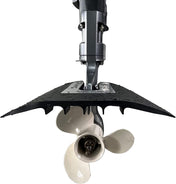
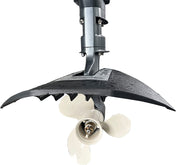
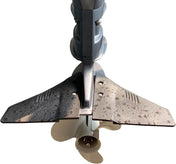
| Trim tabs and anodes | High (sacrificial) | Loss of protection for other parts |
| Internal cooling passages | Medium-High | Restricted flow, overheating |
| Fasteners and bolts | Medium | Seizure, difficult maintenance |
| Electrical connections | Medium | Starting and charging problems |
| Propeller | Medium | Pitting, reduced performance |
Saltwater Corrosion
Why Salt Water Is Most Aggressive
Salt water is highly conductive, which accelerates electrochemical corrosion:
- 100x more conductive than fresh water
- Galvanic reactions happen faster
- Salt deposits continue corroding after exposure
- Chloride ions attack protective oxide layers
Saltwater-Specific Risks
Cooling system: Salt crystals build up in cooling passages, restricting flow and creating corrosion cells.
External surfaces: Every exposed metal surface is under constant attack when submerged.
After use: Salt residue continues corroding components even out of water. Unflushed engines corrode faster sitting in storage than running in salt water.
Saltwater Protection
Essential practices:
- Flush after every use — Run fresh water for 10-15 minutes
- Use zinc anodes — Zinc is the correct sacrificial metal for salt water
- Apply anti-corrosion spray — Coat electrical connections and exposed metal
- Rinse externally — Wash down the entire lower unit and midsection
- Maintain paint/coatings — Touch up any chips or scratches
Freshwater Corrosion
The Misconception
Many boaters think fresh water doesn't cause corrosion. This is wrong. Fresh water corrosion is slower but still significant:
- Galvanic corrosion still occurs between dissimilar metals
- Stray current corrosion is still possible
- Mineral content varies by location
- Standing water causes crevice corrosion
Freshwater-Specific Risks
Mineral deposits: Hard water leaves calcium and mineral buildup in cooling passages.
Stagnant water: Water trapped in the engine between uses creates localized corrosion.
Aluminum oxidation: Even pure water reacts with aluminum over time.
Freshwater Protection
Still important:
- Use magnesium anodes — Magnesium works best in fresh water's lower conductivity
- Flush periodically — Not as critical as saltwater, but still beneficial
- Drain water when possible — Tilt engine to drain cooling passages
- Maintain anodes — Check and replace when 50% consumed
Brackish Water Corrosion
The Worst of Both Worlds
Brackish water (mixed salt and fresh) is especially challenging:
- Salinity varies with tides and rainfall
- Corrosion rate is unpredictable
- Anode selection is complicated
- Biological fouling adds to the problem
Brackish Water Risks
Variable salinity: Conditions change daily, stressing protective systems.
Biological growth: Barnacles and marine growth trap moisture and create crevice corrosion.
Mud and sediment: Bottom sediment holds moisture and accelerates corrosion.
Brackish Water Protection
Requires the most vigilance:
- Use aluminum anodes — Best compromise for variable salinity
- Flush after every use — Treat it like salt water
- Inspect frequently — Check anodes monthly
- Anti-fouling measures — Keep biological growth off metal surfaces
- Regular maintenance — Shorter service intervals than fresh water
Prevention Strategies by Water Type
Universal Practices
Regardless of water type:
- Replace anodes before they're completely consumed. Check at every service and replace when 50% depleted.
- Maintain coatings — Paint and protective finishes are your first line of defense
- Fix electrical issues — Stray current corrosion is devastating in any water
- Keep it clean — Remove growth, debris, and deposits regularly
- Proper storage — Flush, dry, and protect during storage
Anode Selection Guide
Choose the right anode for your water:
| Water Type | Anode Material | Why |
|---|---|---|
| Salt water | Zinc | Proper voltage potential for high conductivity |
| Fresh water | Magnesium | Higher voltage needed for low conductivity |
| Brackish water | Aluminum | Works across variable salinity |
| Mixed use | Aluminum | Best all-around compromise |
Never mix anode materials on the same engine. Use one type consistently.
Flushing Protocol
After saltwater or brackish use:
- Connect flush muffs or use flush port
- Run engine at idle for 10-15 minutes
- Allow water to flow through all passages
- Continue until discharge water is clear
- Shut down and tilt engine to drain
Coating Maintenance
Protect exposed surfaces:
- Touch up paint chips on lower unit
- Apply corrosion inhibitor to electrical connections
- Use marine-grade grease on fittings
- Spray anti-corrosion product on exposed metal after each use
Brand-Specific Notes
Yamaha
Yamaha outboards use multiple anode locations. Check trim tab anode, lower unit anodes, and internal engine anodes during service.
Mercury
Mercury outboards with Active Corrosion Protection on some models provide additional defense. Still maintain standard anodes.
Johnson/Evinrude
Johnson/Evinrude older models may have fewer anode locations. Consider adding supplemental protection in salt water.
Honda and Suzuki
Honda and Suzuki outboards include internal anodes that are easy to overlook. Check during every annual service.
FAQ
How fast does saltwater corrosion damage an outboard?
Without proper protection, visible damage can occur within weeks. With flushing and proper anodes, an outboard can run decades in salt water.
Can I use zinc anodes in fresh water?
You can, but zinc doesn't work well in fresh water's low conductivity. Magnesium provides much better protection.
How often should I check anodes?
Monthly in salt water, every 2-3 months in brackish, seasonally in fresh water. Replace when 50% consumed.
Does flushing really make that much difference?
Absolutely. Flushing removes salt before it can crystallize and corrode. It's the single most effective corrosion prevention step for saltwater boaters.
What about stainless steel—doesn't it resist corrosion?
Stainless resists general corrosion but is vulnerable to crevice corrosion and can cause galvanic corrosion on adjacent aluminum components.
Bottom Line
Corrosion prevention requires matching your strategy to your water type. Salt water demands the most attention—flush after every use and maintain zinc anodes. Fresh water is more forgiving but still requires magnesium anodes and periodic maintenance. Brackish water needs aluminum anodes and saltwater-level diligence. Regardless of where you boat, proper anodes, regular flushing, and coating maintenance keep corrosion from destroying your investment.