Spring means it's time to bring your outboard out of hibernation. Proper commissioning reverses the winterization process and ensures your engine is ready for a trouble-free season.
This checklist covers everything from battery reconnection to the first test run.
Table of Contents
- Before You Start
- Fuel System Commissioning
- Electrical System
- Cooling System Check
- Lower Unit Inspection
- Final Checks and Test Run
- FAQ
Before You Start
Gather Your Supplies
You'll need:
- Fresh fuel (if tank was emptied)
- Engine oil (4-stroke) or 2-stroke oil
- Lower unit oil
- Spark plugs (if due for replacement)
- Fuel filter (recommended annually)
- Water pump impeller (if not replaced last season)
- Basic tools
- Garden hose and flush muffs or adapter
Review Winterization Notes
Check what was done during winterization:
- Was fuel stabilized or tank emptied?
- Was fogging oil used?
- Were batteries removed or disconnected?
- Was lower unit oil changed?
- Any issues noted last fall?
Fuel System Commissioning
Check Fuel Condition
If fuel was stabilized and left in the tank:
- Check fuel color—should be clear, not dark or cloudy
- Smell for sour or varnish odors
- If questionable, drain and refill with fresh fuel
Fuel age limits:
| Storage Condition | Maximum Age |
|---|---|
| Stabilized, sealed tank | 6-12 months |
| Unstabilized | 30-60 days |
| Ethanol fuel (E10) | Shorter life than non-ethanol |
Fuel Filter Replacement
Replace the fuel filter annually regardless of appearance:
- Close fuel valve or disconnect tank
- Remove old filter, noting flow direction
- Install new filter with arrow pointing toward engine
- Check connections for leaks
Find fuel filters for your outboard.
Fuel Line Inspection
Check all fuel lines for:
- Cracks or hardening
- Soft spots or swelling
- Loose connections
- Primer bulb condition (should be firm when squeezed, not spongy)
Carburetor Check (Carbureted Engines)
If fogging oil was used during winterization:
- The oil will burn off during first run
- Expect some smoke initially
- Check choke operation before starting
Electrical System
Battery Commissioning
If battery was removed:
- Charge fully (12.6V or higher for 12V battery)
- Clean terminals with baking soda solution
- Apply terminal protectant
- Reinstall with positive first, then negative
If battery was left in place:
- Check charge level
- Look for corrosion on terminals
- Charge if below 12.4V
Battery Load Test
A fully charged battery should:
- Read 12.6V or higher at rest
- Hold above 9.6V under load test
- Crank the engine strongly
Weak cranking after charging indicates battery replacement needed.
Electrical Connections
Inspect all visible wiring:
- Corrosion on connectors
- Chafed insulation
- Loose connections
- Kill switch lanyard present
Safety Switch Test
Verify the kill switch works:
- Start engine (on muffs)
- Pull lanyard—engine should stop immediately
- If it doesn't, repair before use
Cooling System Check
Water Pump Considerations
If the impeller wasn't replaced last season and is more than one year old, consider replacing it now. Impellers that sit dry during storage can develop set (permanent deformation).
Tell-Tale Inspection
Before first run, visually inspect:
- Tell-tale outlet for blockage
- Water intake screens on lower unit
- Thermostat housing for corrosion
Flush System Check
Ensure flush attachment or muffs seal properly:
- Check muff rubber for deterioration
- Verify water supply is adequate
- Plan for proper cooling during test run
Lower Unit Inspection
Gear Oil Check
Even if oil was changed during winterization, check it now:
- Remove drain plug over a container
- Check oil color and consistency
- Milky oil = water intrusion (needs seal repair)
- Metal particles = gear wear (needs service)
If the oil looks good and was changed last fall, you can refill and proceed.
Propeller Inspection
Remove and inspect the propeller:
- Check for bent, chipped, or damaged blades
- Look for fishing line wrapped around the shaft
- Inspect prop shaft splines and shear pin/hub
- Apply waterproof grease to shaft before reinstalling
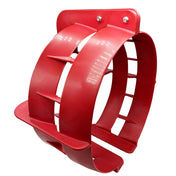
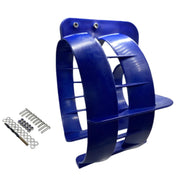
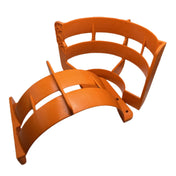
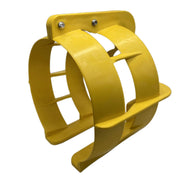
Find propeller guards for added protection.
Anode Check
Inspect all anodes:
- Replace if more than 50% eroded
- Check mounting bolts aren't corroded
- Ensure good metal-to-metal contact
Engine Inspection
External Check
Look for obvious issues:
- Loose bolts or hardware
- Corrosion spots
- Oil or fuel leaks
- Cracked hoses
Spark Plugs
Remove and inspect spark plugs:
- Check gap (typically 0.035-0.040")
- Look for fouling or damage
- If fouled from fogging oil, clean or replace
- Replace if due (typically every 100 hours)
Oil Level (4-Stroke)
Check engine oil:
- With engine level, check dipstick
- Should be at full mark
- Check color—should be clean, not dark or milky
- If winterization included oil change, level should be good
Controls and Cables
Test throttle and shift operation:
- Full range of motion
- Smooth operation
- Returns to idle properly
- Shifts into all positions
Final Checks and Test Run
Pre-Start Checklist
Before first start:
- [ ] Battery connected and charged
- [ ] Fuel valve open
- [ ] Kill switch lanyard attached
- [ ] Gear oil level checked
- [ ] Engine oil level correct (4-stroke)
- [ ] Flush muffs or water source ready
First Start Procedure
With engine on muffs or in water:
- Turn on water supply
- Verify fuel reaching engine (squeeze primer bulb if equipped)
- Set throttle to start position
- Turn key or pull start
- Let idle for 30 seconds—check tell-tale immediately
What to Watch For
During first run:
- Tell-tale: Should stream steadily within 30 seconds
- Smoke: Some smoke normal if fogging oil was used
- Idle: Should smooth out after warming
- Gauges: Oil pressure, temperature normal
- Leaks: Check around engine for fuel, oil, water leaks
Warm-Up Run
Let the engine run at idle for 5-10 minutes:
- Monitor temperature gauge
- Listen for unusual sounds
- Shift briefly into gear and back (if safe to do so)
- Advance throttle slightly, return to idle
On-Water Test (Recommended)
Before your first real trip, do a test run:
- Launch and idle to clear area
- Test forward and reverse shifting
- Gradually increase throttle
- Run at various speeds
- Verify cooling, power, handling
Brand-Specific Notes
Yamaha
Yamaha outboards may show engine codes if battery was disconnected—these often clear after normal operation.
Mercury
Mercury outboards with SmartCraft gauges display stored faults—review any warnings and clear if appropriate.
Honda and Suzuki
Honda and Suzuki 4-strokes are straightforward—focus on oil level and cooling system verification.
Johnson/Evinrude
Johnson/Evinrude oil injection systems should be verified for proper oil supply before extended running.
FAQ
How long should I let the engine run on muffs?
5-10 minutes is sufficient for warming up and checking systems. Don't run at high RPM on muffs for extended periods.
My engine smokes heavily on first start. Is that normal?
If fogging oil was used, yes. The smoke should clear within a few minutes of running. Persistent heavy smoke may indicate other issues.
Should I change the oil before or after the first run?
If oil was changed during winterization, no need. If not, change it before the first run to start the season with fresh oil.
The engine cranks slowly. What should I check?
Battery first—charge or replace if needed. Also check battery connections for corrosion.
What if the tell-tale doesn't flow on first start?
Stop the engine. Check water supply to muffs, check for blockage in tell-tale outlet, and ensure impeller isn't damaged. Don't run without cooling water flow.
Bottom Line
Spring commissioning is essentially reversing your winterization while inspecting for issues that developed during storage. Focus on fuel freshness, battery condition, cooling system readiness, and lower unit integrity. A systematic approach catches problems at the dock rather than on the water. Take your time with the first test run—it's worth a few extra minutes to verify everything is working properly before your first real trip.